


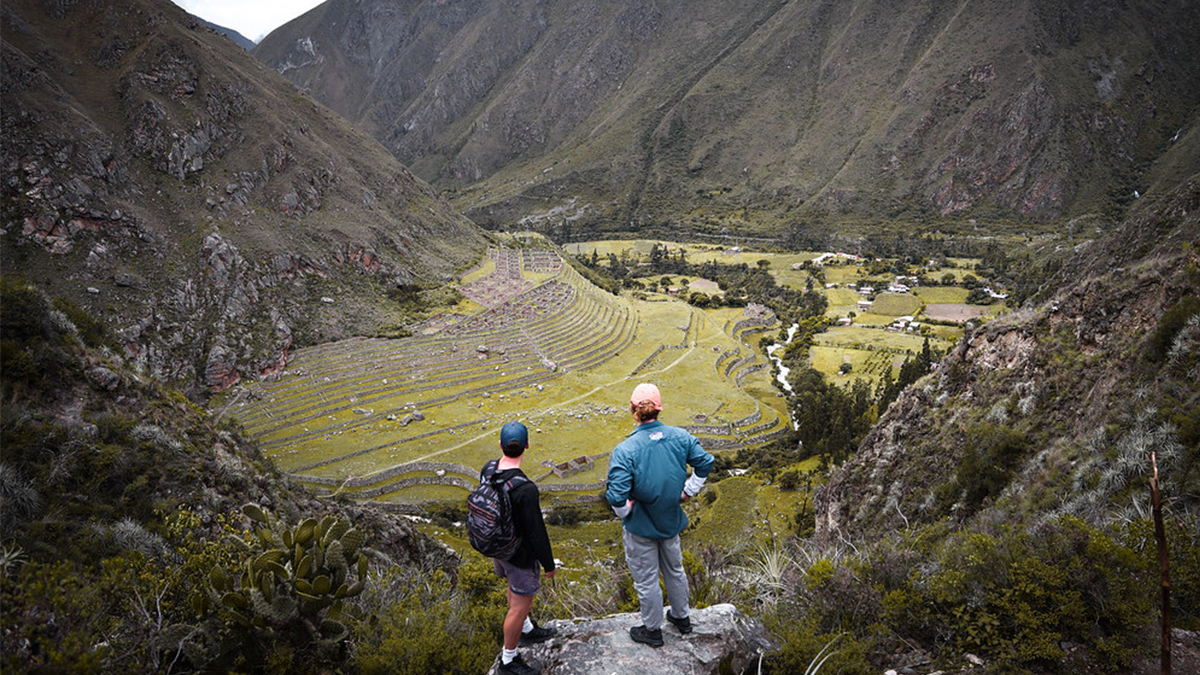
Hiking to Machu Picchu is one of the most rewarding ways to experience the Andes. From the classic Inca Trail and Salkantay Trek to shorter hikes such as Huayna Picchu and Machu Picchu Mountain, travelers can choose a route based on their time, fitness level, and interests. In this guide, you will learn about the best hiking routes, how to prepare for your trek, and essential tips for a safe and enjoyable experience.
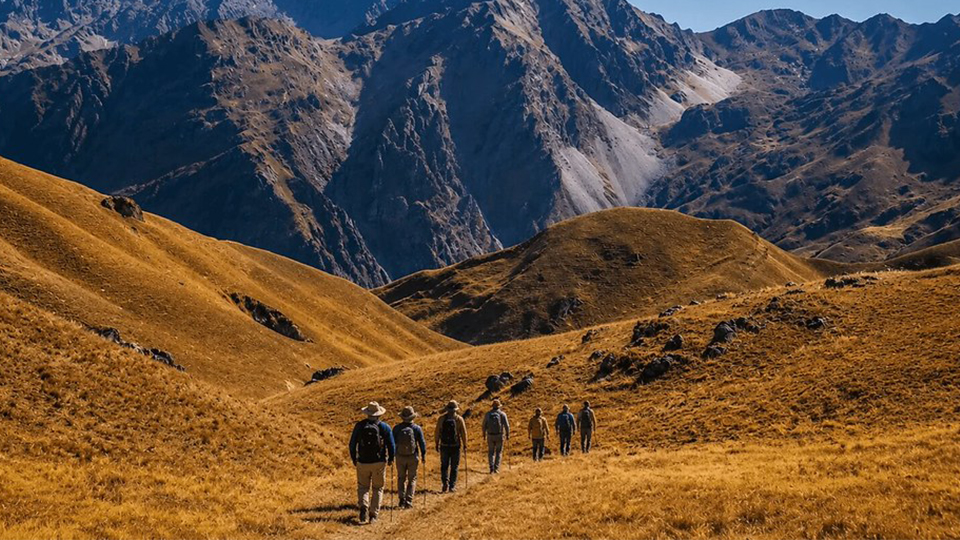
Due to its inhospitable location in the Andes and its importance, Machu Picchu had access through many well-signed footpaths. These surrounded it and connected with other main Inca towns like Vilcabamba, Choquequirao, Ollantaytambo, and Cusco. Today, visitors can explore several historic and modern trekking routes through the Andes, including paths associated with the Inca road network.
The Inca Trail to Machu Picchu is the most popular hike in Peru and one of the most famous around the world. The trail was the main route originally used by the Incas to get to Machu Picchu. The footpath crosses Inter-Andean valleys and cloud forests, over an extension of 31 miles. The classic Inca Trail typically takes four days and three nights.
The Classic Inca Trail is regulated, and independent trekking is not permitted. Travelers must enter with an authorized operator and guide, and reservations are required because daily visitor capacity is limited.
Salkantay Trek is the second most famous trail in Peru. The trek allows one to pass by snow-covered mountain slopes, rainforest, and jungle valleys. All of this is around 44 miles long. Therefore, the hike lasts five days and four nights.
One of the trek’s highlights is the dramatic change in landscapes and climate along the route. Consequently, the route passes from 5,905 to 14,763 feet. We recommend traveling with an experienced operator because of the logistics and changing conditions along the route.
The trek begins in Lares, a charming town located 107 kilometers north of Cusco. There, hikers can enjoy natural hot springs before beginning the hike. The route crosses mountainous landscapes, glacial lakes of intense emerald color, and forests of queuñas; the journey covers approximately 21 miles. Usually, hikers take four days and three nights to complete the route, reaching elevations of approximately 13,779 feet.
Depending on the itinerary, travelers may continue to Ollantaytambo and take a train toward Machu Picchu. The route is free, without any entrance fees. Because itineraries can vary, we recommend traveling with an experienced operator, especially if you are unfamiliar with the route.
The Inca Jungle combines trekking, biking, zip-lining, and even rafting. The duration is generally four days and three nights of full adventure. The route covers approximately 30 miles, depending on the itinerary. The route usually begins at Abra Malaga (105 km northwest of Cusco, at 4,316 feet). From there, travelers cycle downhill toward the jungle. Afterward, on the second day, the adventure will continue with a rafting activity on the Vilcanota River.
On the third day, trekking among the rainforest valleys will guide you up to Hidroelectrica Train Station. There, the trekkers will take a train heading to Aguas Calientes town to visit Machu Picchu. It goes without saying that the beauty of the Peruvian jungle, its flora, and its fauna will enchant the hikers on this route.
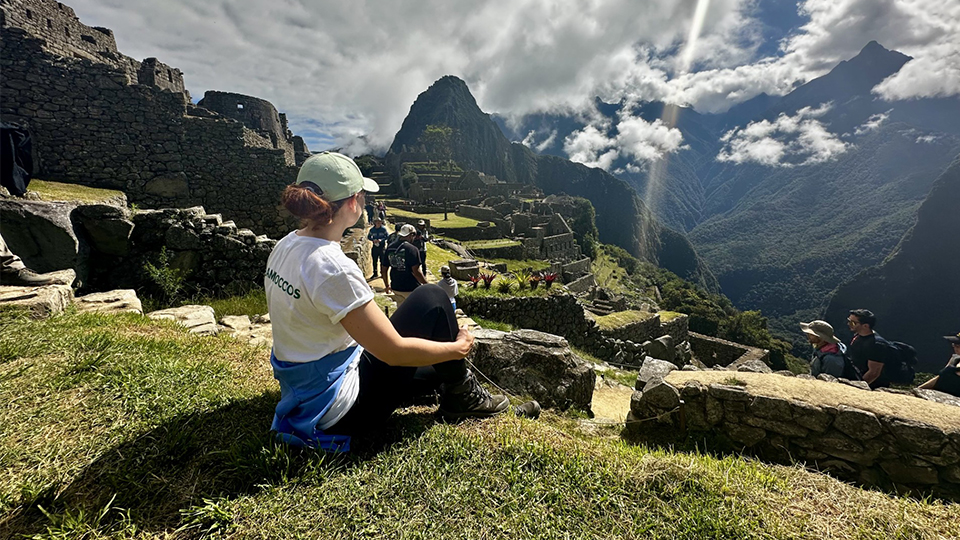
Machu Picchu also offers several hiking routes and mountain trails within the archaeological sanctuary. These routes operate under specific circuits, schedules, and ticket requirements. These routes are regulated and require the appropriate Machu Picchu entrance ticket. Demand is high, so you must buy tickets even months in advance.
There is a mountain with the same name as Machu Picchu, located behind the citadel. The hike offers unique views of Machu Picchu from a totally different angle. The footpath is wide with a moderate slope up to the top (7,972 feet of elevation). In addition, the hike takes approximately two hours each way. The trail begins at the designated entrance within the Machu Picchu archaeological site.
The entrance tickets include the visit to the Machu Picchu citadel and come with a strict schedule of hiking (it has to be respected). The entrances are sold out quickly; for this reason, buy them months in advance. Also, if you are on a Luxury Vacation in Machu Picchu, you can’t miss this activity.
Huayna Picchu is located near Machu Picchu Mountain, on the opposite side of the citadel, with 8,835 feet of elevation. It presents a steeper slope to its top. The hike starts from the citadel and lasts 1 hour to climb up and another hour to descend (2 km of extension). Its top offers other panoramic views of the citadel.
Unlike the Machu Picchu mountain hike, the archaeological sites found along the path include the Moon Temple, among others. Because of its steep sections and exposed stairways, Huayna Picchu may not be suitable for travelers with limited mobility, young children, or those uncomfortable with heights. Like the previous mountain, this hike requires an entrance ticket with a strict schedule (it includes the visit to the citadel). Because availability is limited, booking is strongly recommended.
Huchuy Picchu is another hiking route in the Machu Picchu archaeological park. This mountain is situated at an elevation of over 8,192 feet, next to Huayna Picchu. It is generally considered the easiest of the three mountain hikes and takes only 1 hour round trip (1 km of extension).
The summit offers panoramic views of Machu Picchu and the surrounding mountains. Like its predecessors, the route requires an entrance with a set schedule of visits and seasonal availability. Also, this ticket includes entrance to the Machu Picchu citadel.
The Sun Gate, or Inti Punku in Quechua, is a historic entrance point along the Inca Trail approach to Machu Picchu. It formed part of the Inca Trail approach to Machu Picchu and offers views toward the citadel. Nowadays, it serves as the traditional arrival point to Machu Picchu for travelers completing the Classic Inca Trail. Its route is very easy but longer than the Machu Picchu mountain route.
The hike lasts three to four hours round trip, starting from the Machu Picchu citadel, on the west side. The path is well-signed, and you will be fascinated by the views from this zone. In the same way, this hike requires an entrance ticket with a determined schedule of visits.
In the same way, the Inca Bridge is situated at Machu Picchu West, inside the citadel. The Inca Bridge is a narrow wooden structure built into a stone path along a steep mountainside. The short walk to the viewpoint offers impressive views of the surrounding landscape and the Machu Picchu citadel.
Consequently, the hike is a descent and lasts 20 minutes (one way) to reach it. Requires a special entrance ticket to Machu Picchu. The visitor can get views of the citadel in a curve, just before reaching the Inca bridge.
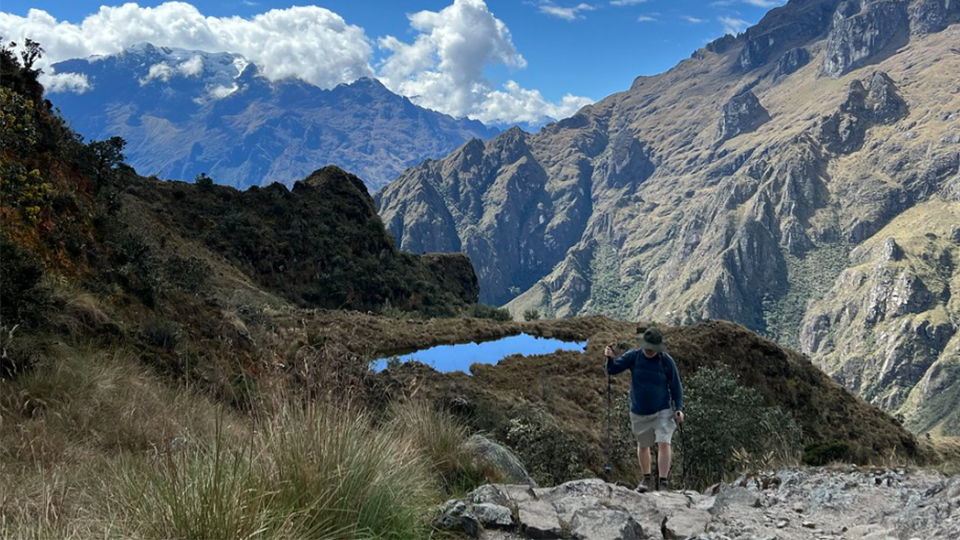
Any hike, especially in Machu Picchu, demands logistics, acclimatization, and knowing the best time to do them. Remember that Machu Picchu is located in the Peruvian mountain range, specifically in the jungle eyebrow, and experiences the special weather conditions of the area. For this reason, we will list the three most important things to take into account before hiking to Machu Picchu.
Machu Picchu generally has two main seasons: a wetter season and a drier season. The rainy season occurs in the mountain range from November to March and presents hard rains, cloudy skies, and gusts of cold, but there is transition and variation. Temperatures can vary considerably between day and night, and weather conditions can change quickly.
The footpaths around and close to Machu Picchu present muddy routes and landslides. Hiking is still possible during the wet season, but rain can make trails slippery and may affect visibility and trail conditions. The Classic Inca Trail is closed every February for maintenance.
On the other hand, the dry season goes from April to October. It presents clear skies, strong sun rays, and warm days. Even the high tourism season is between these months, like June, July, and August. Needless to say, this season is the best time to visit Machu Picchu and enjoy its hiking routes.
Machu Picchu is situated at over 7,972 feet, between the Peruvian mountain range and the jungle eyebrow. That means a lot of height. For all these reasons, the acclimatization of the body previous to hiking to Machu Picchu will be crucial.
Generally, the visitor who wants to travel to Machu Picchu first has to arrive in Cusco (due to the international airport located there). Cusco is situated at 11,152 feet (higher than Machu Picchu), and visitors, once arrived there, go directly to the Sacred Valley (9,420 feet) to avoid the altitude and begin their hiking to Machu Picchu.
Many people travel to Machu Picchu through Cusco, which sits at a significantly higher elevation than the archaeological site. Spending a few days in Cusco or the Sacred Valley before beginning a trek can give your body time to adjust to the altitude. The best acclimatization plan depends on your itinerary, health, and individual response to elevation.
Coca or muña tea is traditionally consumed in the Andes, but it should not be considered a substitute for proper acclimatization or medical advice. Some Machu Picchu hikes are suitable for beginners, while longer treks require stronger physical preparation and acclimatization.
As you can see, the hiking to Machu Picchu includes options for more than one day of activities. And many days mean many things to carry on, like tents, sleeping bags, and camping mattresses, besides entrance tickets, Cusco’s tourist ticket, permissions, and more logistics. For this reason, take your time to choose the type of trip to do and what you will need for it.
The Classic Inca Trail requires a regulated trekking permit/entry, usually arranged through an authorized operator. The train connection depends on the itinerary and starting point. Without mentioning camp equipment, food, and more. On the other hand, the Salkantay Trek does not require the same regulated Inca Trail permit, but it still requires careful planning because conditions and itineraries vary along the route.
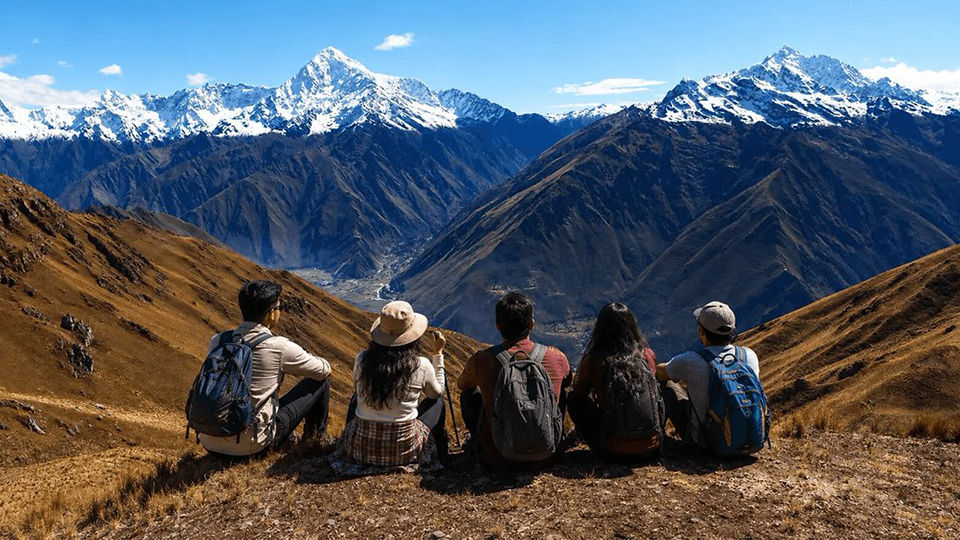
Hiking to Machu Picchu offers different experiences for different types of travelers. Multi-day treks such as the Inca Trail, Salkantay Trek, Lares Trek, and Inca Jungle combine physical challenge with changing landscapes and unique ways to experience the Andes. For travelers with less time, hikes such as Machu Picchu Mountain, Huayna Picchu, Huchuy Picchu, the Sun Gate, and the Inca Bridge provide shorter alternatives around the archaeological site.
Choosing the right route depends on your available time, fitness level, interests, and experience with hiking at altitude. Proper preparation is essential, especially when it comes to acclimatization, weather conditions, transportation, and entrance tickets or permits. Planning these details can make your experience more comfortable and allow you to focus on the landscapes, history, and adventure along the way.
Whether you are looking for a challenging multi-day trek or a shorter hike with panoramic views of Machu Picchu, there is an option to suit your travel plans. With the right route and preparation, hiking can become one of the most memorable ways to experience this remarkable destination. If you are ready to start planning your adventure, explore our travel options and let our team help you create an unforgettable journey to Machu Picchu.
Peru has many wonders waiting for you to be discovered. Here in Cusco Peru Travel, our speciality is to make your trip an outstanding experience, fill-in this form and let your tailor-made luxury Peru vacation begin.
