


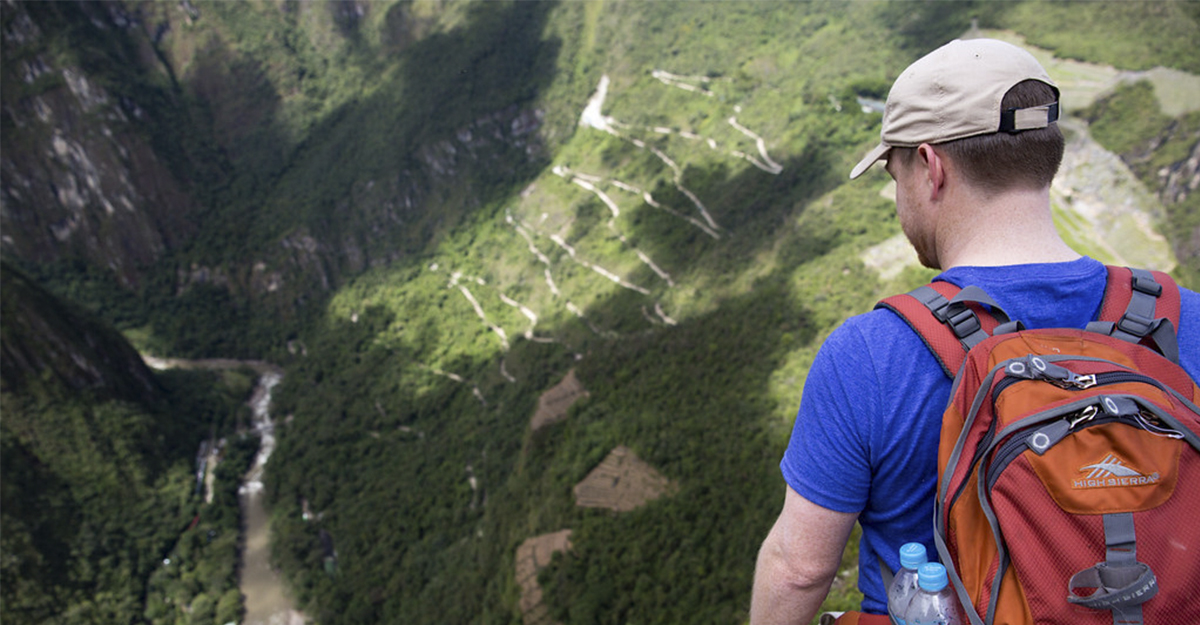
The Inca Trail is one of the world’s most famous treks, renowned for its archaeological sites, breathtaking Andean landscapes, and cultural significance. The trail attracts travelers from around the world who come to experience its archaeological sites and spectacular Andean scenery. The trail follows an ancient Inca route that leads to Machu Picchu, combining archaeological sites with dramatic mountain scenery. If you’re planning an Inca Trail adventure, understanding the different seasons can help you choose the best time for your trip.

Hiking the Inca Trail to Machu Picchu is an unforgettable journey through the Peruvian Andes. The trek requires significant physical effort over several days, with camping and support services provided according to the selected tour package. The classic Inca Trail route takes four days and three nights and traditionally begins at Piscacucho (Km 82). The trek is physically demanding, and weather conditions can make the trail more challenging during periods of rain. To explore this and other considerations regarding the weather, we present more details below:

The dry season on the Inca Trail generally runs from May to September, with generally drier conditions, clearer skies, and less rainfall. These generally drier conditions can make the trek more comfortable. However, these favorable conditions also attract more visitors, making this the busiest period of the year. Demand for Inca Trail permits is high during these months, so booking well in advance is essential.
Some travelers combine their Inca Trail trek with a Machu Picchu luxury tour or other personalized experiences in the region. Traveling in June also allows visitors to experience Inti Raymi, Cusco’s famous Festival of the Sun. For travelers who prioritize drier weather, May through September is generally a favorable period for hiking the Inca Trail. Because permits are limited, travelers should reserve as early as possible, especially for peak-season dates.
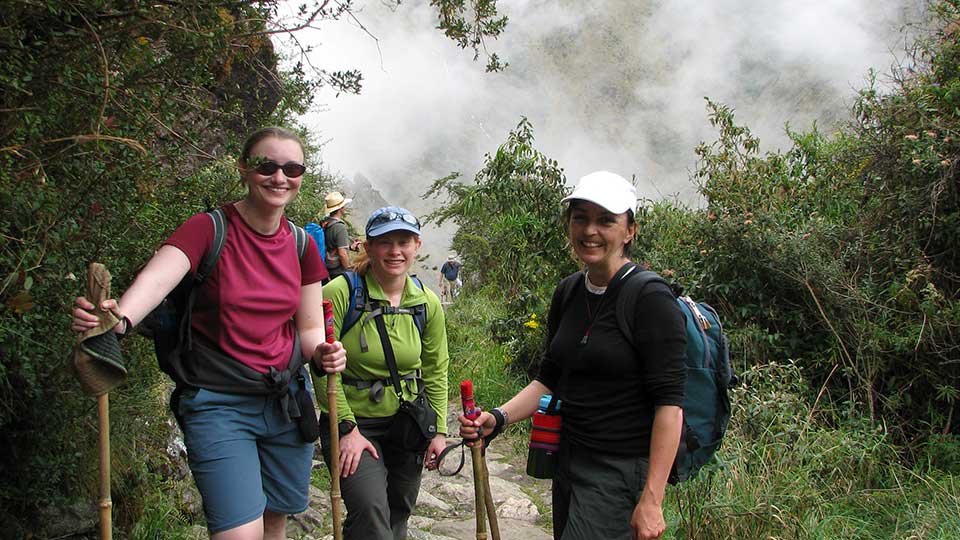
The rainy season generally extends from November through March, bringing more frequent rainfall and changeable weather conditions. These conditions can make the trek more challenging and generally result in fewer visitors than during the dry season.
Traveling during the rainy season may offer greater availability for some travel services, although permit availability and tour prices depend on the operator and travel dates. The Inca Trail is closed every February for annual maintenance and conservation work and normally reopens on March 1.
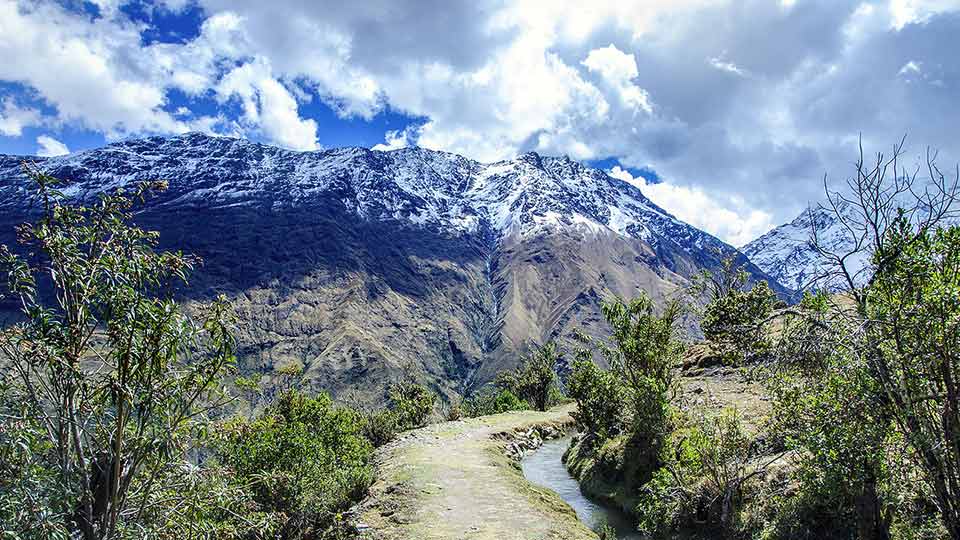
April and October are shoulder-season months for the Inca Trail. For many visitors, this is the best time to walk the Inca Trail because it offers a good balance between weather conditions and visitor numbers. They can be a good option for travelers who want to avoid the busiest months while still enjoying relatively favorable hiking conditions.
Cusco Peru Travel hopes that these considerations can be of help to you when planning your all-inclusive luxury vacation to the mystical lands of Peru. If you have any questions about the Inca Trail or planning your trip, our travel advisors are here to help. We look forward to welcoming you to Cusco, the Imperial City.
Peru has many wonders waiting for you to be discovered. Here in Cusco Peru Travel, our speciality is to make your trip an outstanding experience, fill-in this form and let your tailor-made luxury Peru vacation begin.
