

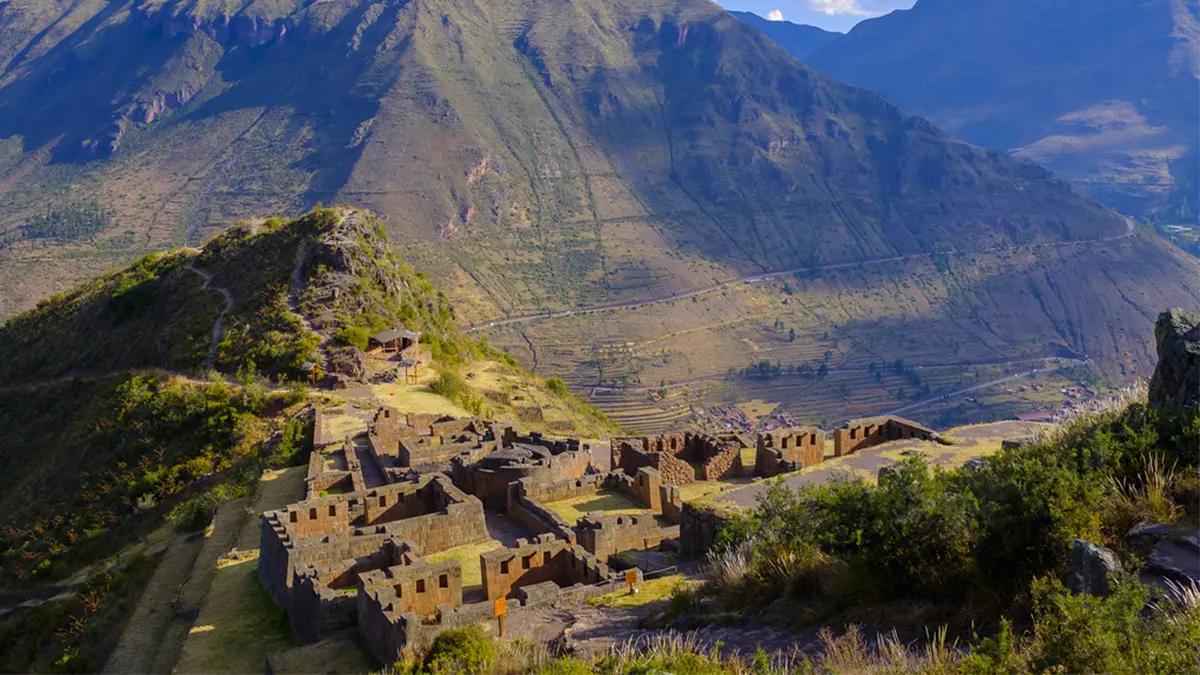
Pisac is a traditional Andean town in Peru’s Sacred Valley, best known for its extensive Inca archaeological complex and lively artisan market. Located in the Cusco region, it is one of the area’s most rewarding stops for travelers interested in Inca history, local traditions, and mountain scenery. This guide covers the main attractions, entrance requirements, transportation options, and practical tips to help you plan your visit.
| Information | Pisac Market | Pisac Ruins |
| Location | Main Square (Plaza Constitución), Pisac town | Mountain above Pisac town, Sacred Valley |
| Distance from Cusco | Approx. 33 km (20.5 miles) | Approx. 42 km (26 miles) by road |
| Altitude | Approx. 2,970 m (9,744 ft) | Approx. 3,400 m (11,155 ft) |
| Opening Hours | Operates throughout the week; activity varies by day. | Daily, 7:00 AM–4:30 PM |
| Entrance Fee | Free | Cusco Tourist Ticket required (Circuit III or Full Ticket) |
| Suggested Visit Time | 1–2 hours | 2–3 hours |
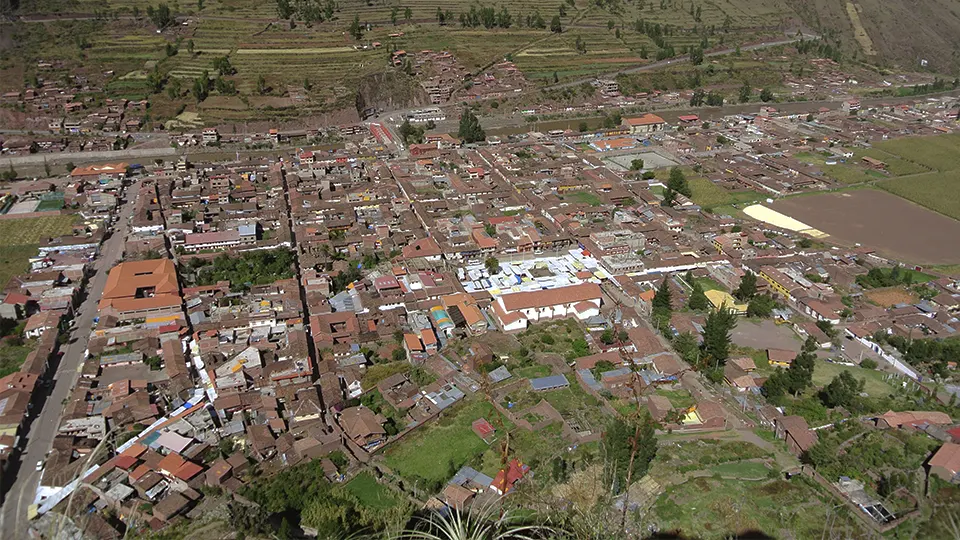
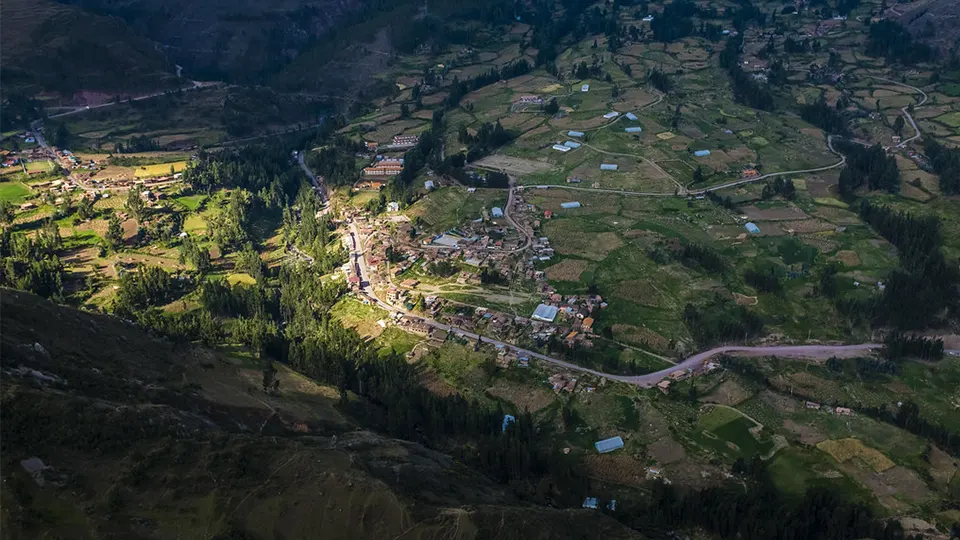
This traditional Andean town lies in Calca Province, in the Cusco region, at the heart of the Sacred Valley. Located approximately 2,970 meters above sea level, the town stretches along the banks of the Vilcanota River. The town is a popular stop on Sacred Valley itineraries, offering access to one of the region’s most extensive Inca archaeological complexes.
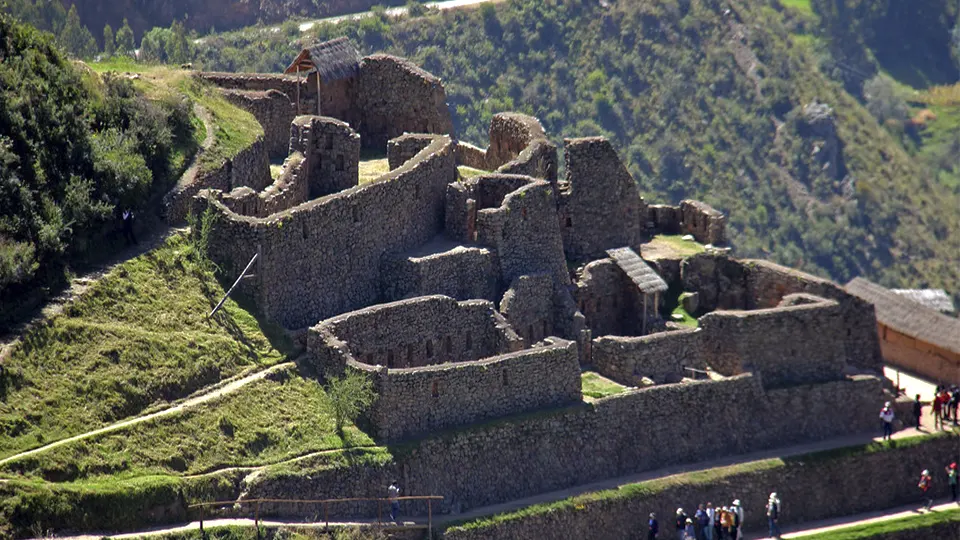
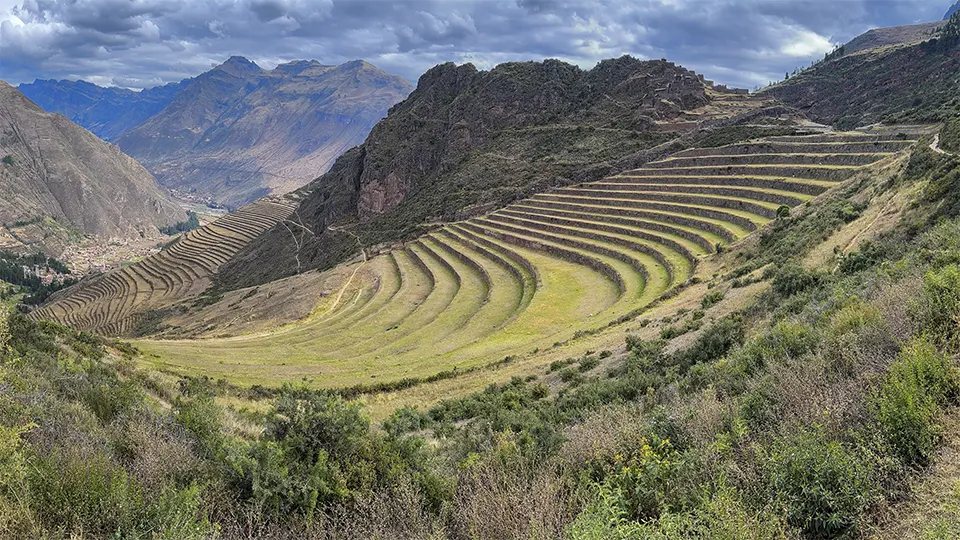
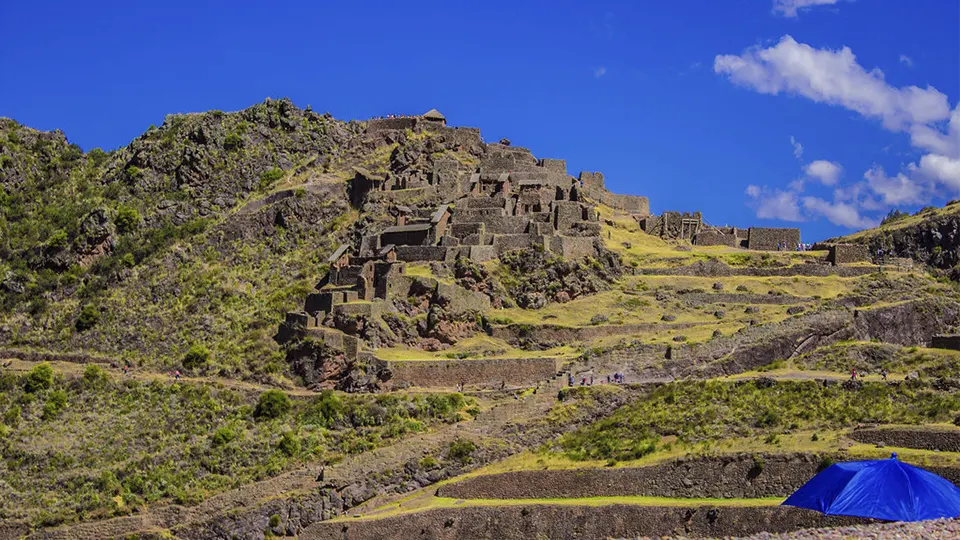
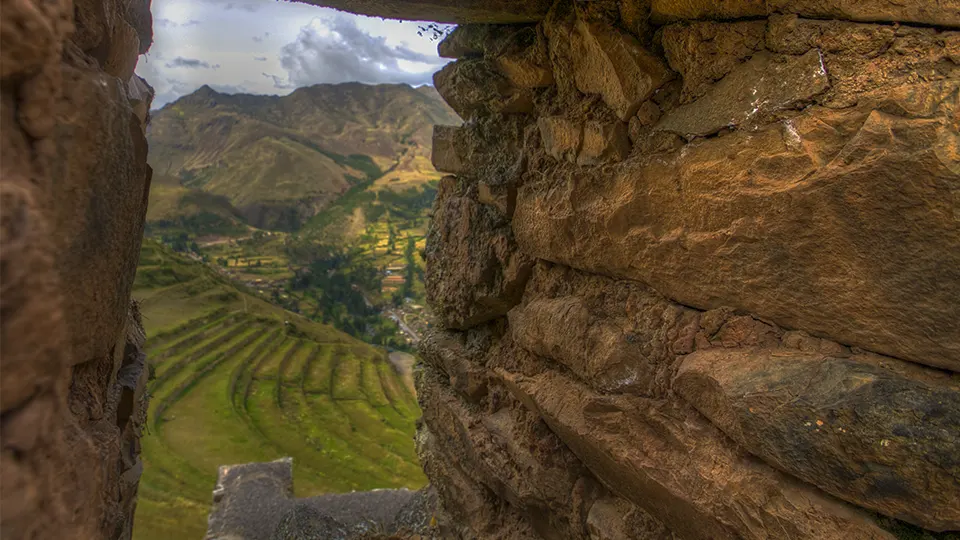
The Pisac archaeological complex is one of the most remarkable Inca sites in the Sacred Valley of the Incas. The complex features residential areas, ceremonial structures, temples, agricultural terraces, and an extensive Inca cemetery. Together, these remains offer insight into the settlement’s social, religious, and agricultural organization.
The archaeological complex of Pisac is traditionally associated with the reign of Inca Pachacuti in the 15th century. According to historical accounts, it formed part of a royal estate connected to his panaca, or kinship group. Its extensive agricultural terraces, residential structures, and ceremonial buildings reflect the site’s importance within the Inca landscape.
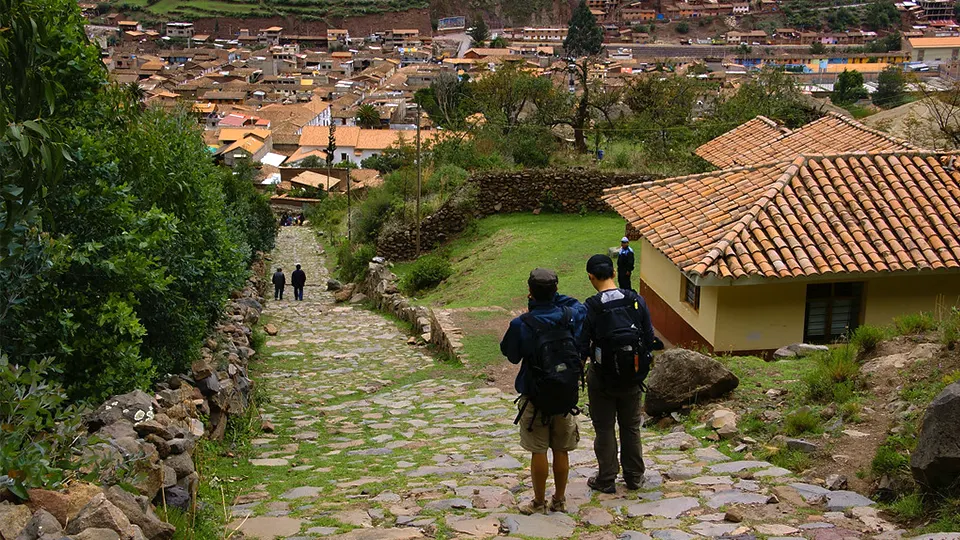
The ruins are at the top of the mountain that houses the town of Pisac. Visitors can reach the archaeological site by road or on foot, although the walking route involves a steep uphill climb. Here are some key facts that could make your decision easier:
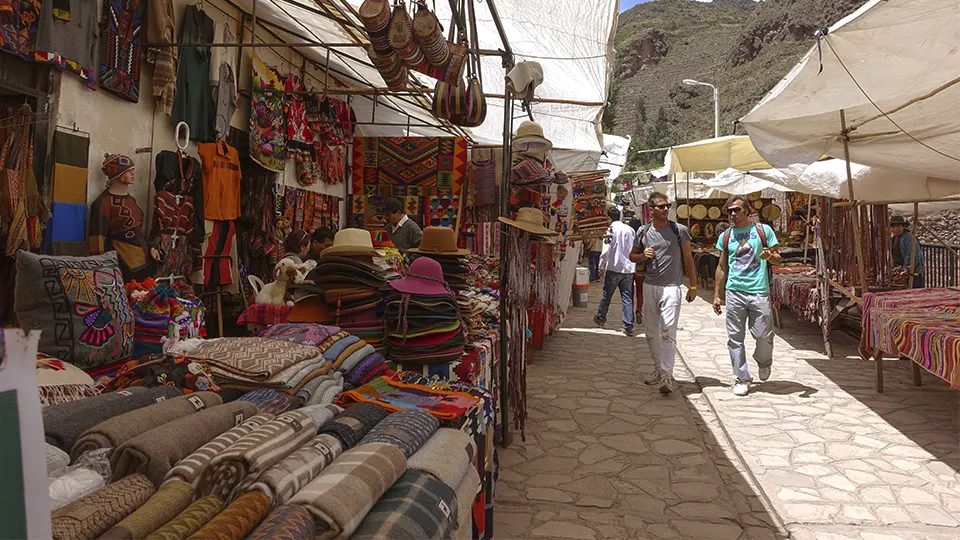
The Pisac market is located in the central square of the town. Visitors can browse stalls selling handmade textiles, jewelry, ceramics, musical instruments, and other locally crafted goods. Food stalls also offer local produce and traditional Andean dishes, giving visitors a chance to sample regional flavors.
The market operates throughout the week, although Sunday is traditionally its busiest day. Tuesdays and Thursdays are also known for increased market activity. However, specific operating days and hours may vary depending on the individual vendor or other circumstances; it is best to check with official sources before your visit. Another point of interest is that bargaining is often possible, though it should always be done politely, with respect for the artisan and their creations.
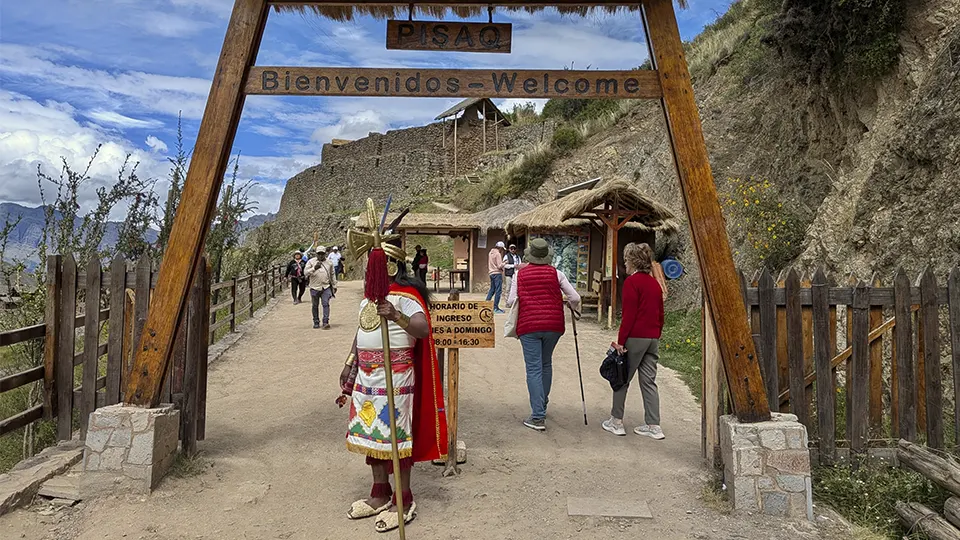
Entry requirements vary depending on which attraction you plan to visit. The town and market are open public areas, while access to the archaeological site requires a valid ticket and is subject to set visiting hours. Knowing the opening hours and entrance requirements for each attraction will help you plan your visit and make the most of your time in Pisac.
Travelers can reach Pisac from Cusco by organized tour, private transportation, or public transit. Each option offers a different balance of convenience, flexibility, and cost. Here is a detailed breakdown of each option:
The best time to visit Pisac depends on your preferred activities, weather conditions, and tolerance for crowds. Pisac has two main seasons: a dry season with generally clearer conditions and a rainy season when rainfall becomes more frequent. Each offers different advantages for exploring the archaeological site and surrounding valley.
The specific days and times you choose to visit are also important factors for a well-organized itinerary. Many travelers prefer to arrive early in the morning to avoid intense heat and large crowds.
Pisac can easily be included in a Sacred Valley itinerary alongside other archaeological sites, traditional villages, and cultural attractions. Combining these destinations allows visitors to explore different aspects of the Sacred Valley in one trip. However, planning the route carefully is important, as driving times between attractions can add up.
Pisac can be visited as part of a full-day Sacred Valley excursion or explored at a slower pace over a longer stay. Travelers who want to include additional destinations such as Chinchero, Maras, Moray, and Ollantaytambo may benefit from spending two days in the region. While these visits typically focus on the most significant highlights of each location, you could also extend your stay to include additional activities. We recommend looking into other things to do in Cusco to create a more complete itinerary.
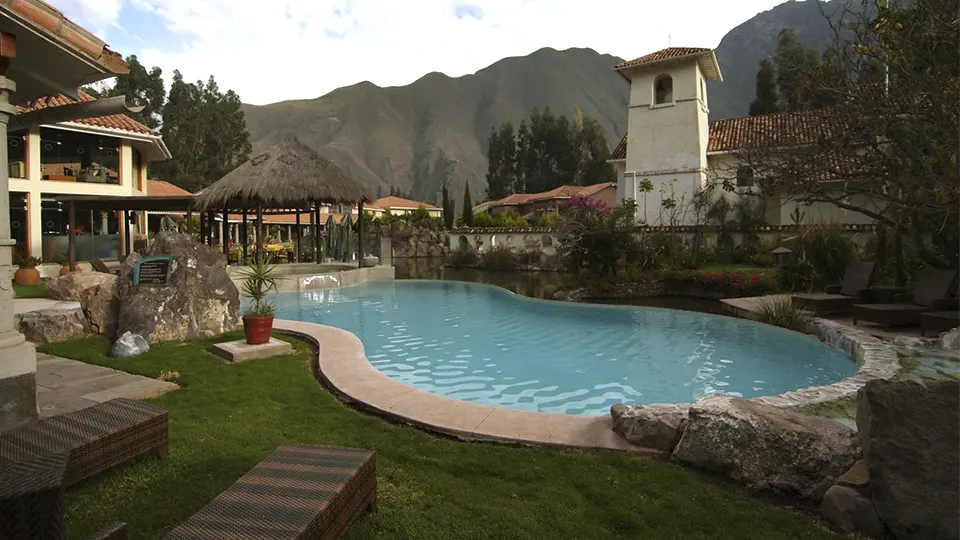
If you wish to spend extra time in Pisac, you will need to consider your options for accommodation and dining. Accommodation ranges from budget-friendly guesthouses to boutique hotels and secluded countryside retreats. While many establishments are located near the town square, others offer a more secluded experience. Here are some noteworthy options to consider:
The area offers a diverse culinary scene that blends Andean traditions with modern international food trends. Dining options include Peruvian restaurants, cafés, vegetarian-friendly establishments, pizzerias, and restaurants overlooking the surrounding valley. Most of these establishments are conveniently located near the main town square.
No, there is no separate entrance ticket exclusively for the Pisac ruins. Access is included in the Partial Cusco Tourist Ticket for Circuit III, which also covers Ollantaytambo, Chinchero, and Moray, or in the Comprehensive Tourist Ticket.
Absolutely! Pisac is one of the most beautiful places in the Sacred Valley and is well worth a visit. You can explore impressive Inca ruins, enjoy amazing mountain views, and discover a colorful artisan market. The town is also a great place to experience local culture, try traditional food, and see traditional Peruvian clothing. It is a wonderful destination for history lovers, photographers, and anyone interested in Andean culture.
The hike at Pisac can be moderately challenging, especially if you are not used to walking at high altitudes. The trails include steep sections, uneven stone steps, and some uphill climbs. However, you can explore different parts of the archaeological site depending on your fitness level and available time. Take your time, bring water, wear comfortable walking shoes, and remember that the altitude can make the hike feel harder.
The Pisac market is open every day, but the busiest and most popular market day is Sunday. You can also find larger markets on Tuesdays and Thursdays. On these days, local farmers and artisans come from nearby communities to sell fresh produce, handmade textiles, pottery, jewelry, and souvenirs. If you want to experience the most traditional atmosphere, Sunday is the best day to visit.
Yes, it is possible to visit both Pisac and Ollantaytambo in one day, especially if you start early in the morning. Many Sacred Valley tours include both places, with a stop in Urubamba for lunch. You can also enjoy beautiful views of the Urubamba River along the way. However, the day can feel a little rushed, so if you prefer to explore the ruins and markets at a relaxed pace, spending two days in the Sacred Valley is a better option.
No, you don’t need a guide to visit Pisac. You can explore the ruins on your own, follow the walking paths, and enjoy the beautiful views of the valley. However, hiring a local guide is a great idea if you want to learn more about Inca history, architecture, agriculture, and the purpose of the different structures. A guide can also explain local traditions and food, including guinea pig, a traditional dish in the Andes.
It depends on which part of Pisac you are visiting. The town of Pisac is approximately 2,970 meters (9,744 feet) above sea level, making it lower than Cusco, which sits at around 3,400 meters (11,155 feet). The upper areas of the Pisac archaeological park reach approximately 3,400 meters (11,155 feet).
Imagine standing on top of an ancient Inca terrace, surrounded by enormous mountains, with the Sacred Valley stretching out beneath your feet. The morning sun slowly lights up the stone ruins, and for a moment, you can almost picture what life was like here centuries ago. A few hours later, you find yourself walking through the colorful streets of Pisac, discovering handmade souvenirs, meeting local artisans, and experiencing the traditions that make this small Andean town so special. That’s the magic of Pisac: it’s not just a place to visit, but a destination where history, culture, and everyday life come together.
Whether you are exploring the impressive Inca ruins, shopping at the traditional market, tasting local food, or simply enjoying the beautiful mountain scenery, Pisac offers something memorable for every traveler. It’s also a wonderful opportunity to discover another side of the Sacred Valley, away from the busy streets of Cusco. Take your time, talk to local people, and enjoy every moment because sometimes the best travel memories come from the simplest experiences.
If you’re ready to discover Pisac and explore more of the Sacred Valley, let Cusco Peru Travel help you make your adventure unforgettable! Our team can help you plan your visit, arrange transportation, and create an experience that fits your travel style. Don’t just read about the magic of the Inca world; come and experience it yourself. Contact us today and start planning your journey through the heart of the Andes!

