

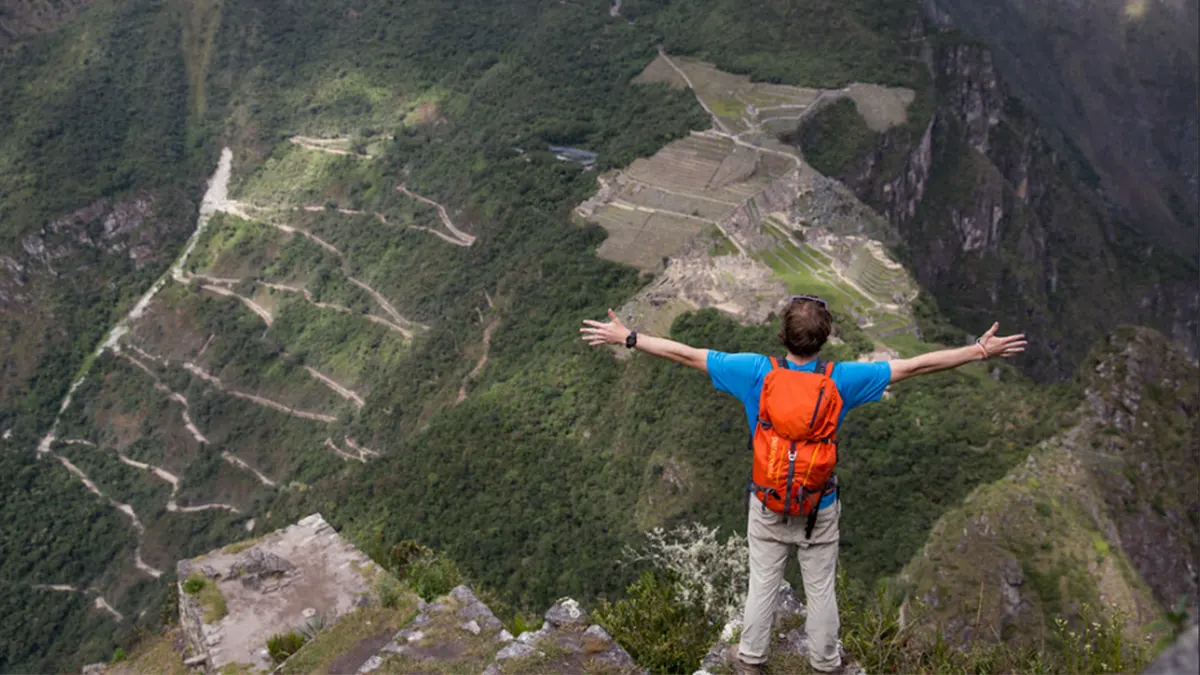
Machu Picchu sits at an elevation of approximately 2,430 meters (7,972 feet) above sea level. Although it is lower than Cusco, its altitude is still worth considering when planning your visit, especially if you are arriving from sea level or exploring other high-altitude destinations in the Andes. Understanding how altitude may affect your body can help you prepare for the journey and enjoy a more comfortable experience.
Discover Machu Picchu’s elevation, learn about altitude sickness, and find practical tips for your visit
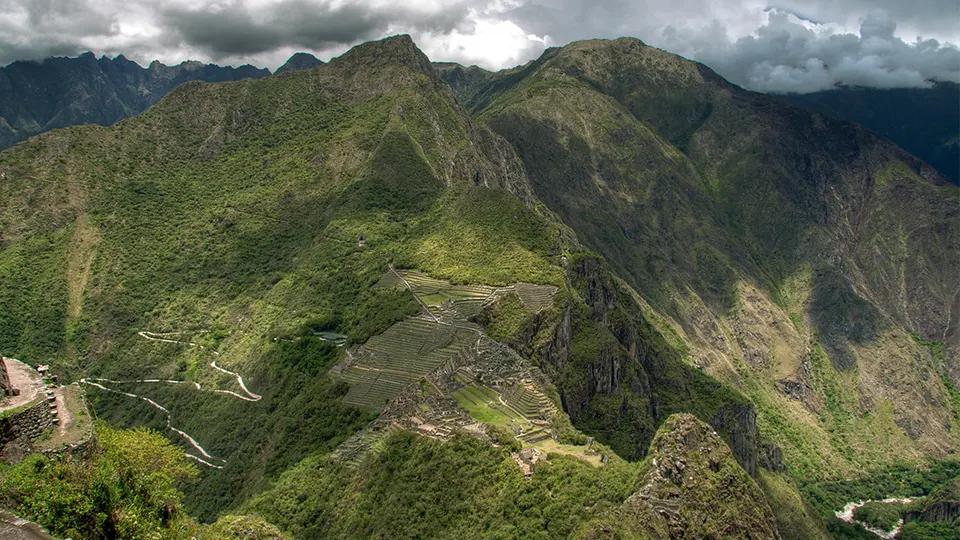
Machu Picchu stands at approximately 2,430 meters (7,972 feet) above sea level, on the eastern slopes of the Andes in Peru. Its location lies within a mountainous cloud forest environment, where the Andes transition into the upper Amazon Basin. The surrounding landscape features considerable elevation changes, creating a variety of environments across the region.
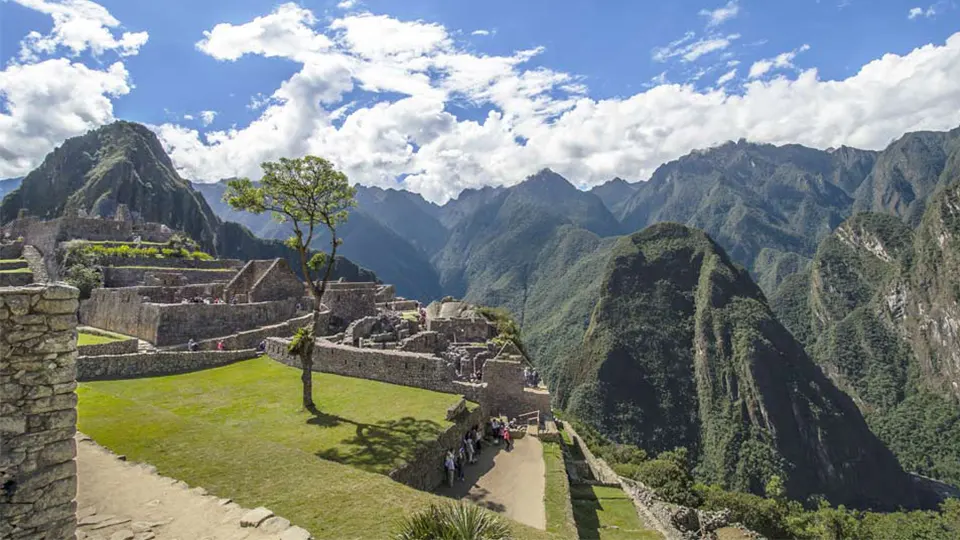
While the difference compared to nearby destinations, such as the Sacred Valley of the Incas or Cusco, is notable, the comparison encompasses more. Peru is home to destinations at a wide range of elevations, making it useful to compare Machu Picchu with other popular places to visit. The following table compares the elevations of several popular destinations in Peru:
| Destination | Elevation (Meters) | Elevation (Feet) | Elevation Difference vs. Machu Picchu |
| Lima | 154 m | 505 ft | 2,276 m (7,467 ft) lower |
| Cusco | 3,350 m | 11,000 ft | 920 m (3,018 ft) higher |
| Sacred Valley (Ollantaytambo) | 2,860 m | 9,383 ft | 430 m (1,411 ft) higher |
| Aguas Calientes (Machu Picchu Town) | 2,040 m | 6,693 ft | 390 m (1,279 ft) lower |
| Machu Picchu Citadel | 2,430 m | 7,972 ft | Reference point (0 m) |
| Huayna Picchu | 2,693 m | 8,924 ft | 263 m (863 ft) higher |
| Machu Picchu Mountain | 3,082 m | 10,111 ft | 652 m (2,139 ft) higher |
| Sun Gate (Inti Punku) | 2,720 m | 8,835 ft | 290 m (952 ft) higher |
| Warmiwañusca Pass (Inca Trail) | 4,215 m | 13,829 ft | 1,785 m (5,857 ft) higher |
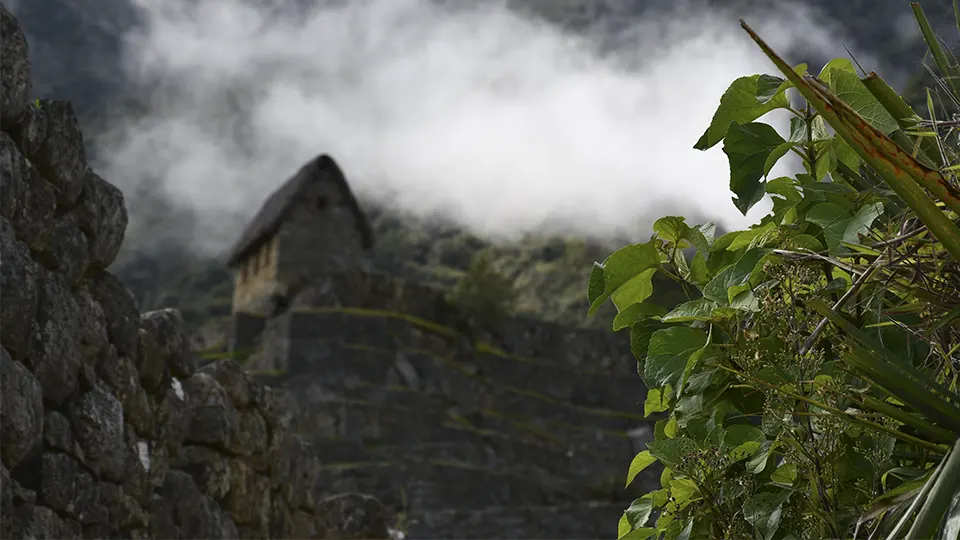
Machu Picchu is not at a higher altitude than Cusco; quite the opposite, in fact. The Inca citadel sits below 2,500 meters, whereas Cusco is at an altitude of over 3,000 meters. Many travelers visit Cusco before heading to Machu Picchu, making it important to consider the city’s higher elevation when planning your itinerary. Allowing time to acclimatize in Cusco and how to get to Machu Picchu can help reduce the risk of altitude sickness.
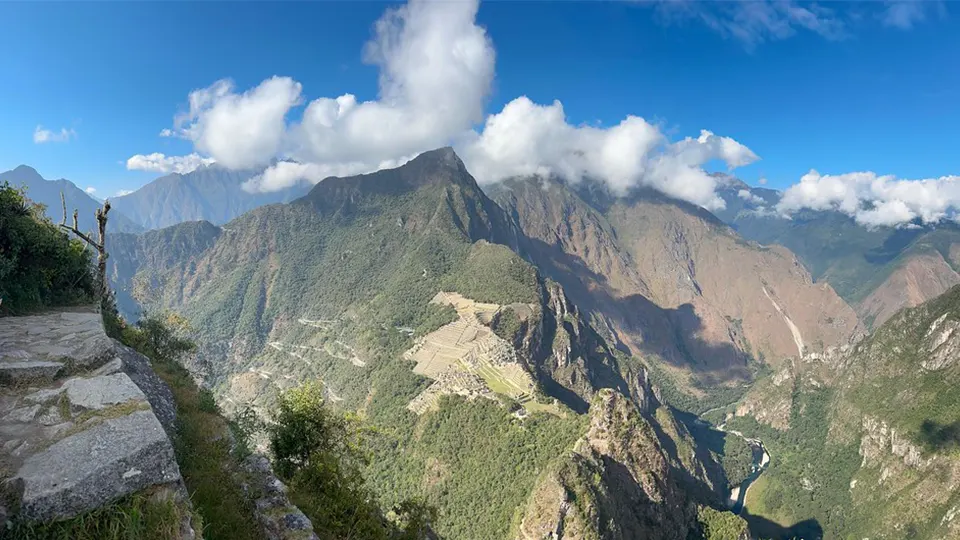
The surrounding mountains reach different elevations, offering visitors additional hiking opportunities. Two of the most popular options are Huayna Picchu and Machu Picchu Mountain. To better understand this, it is worth looking into each one:
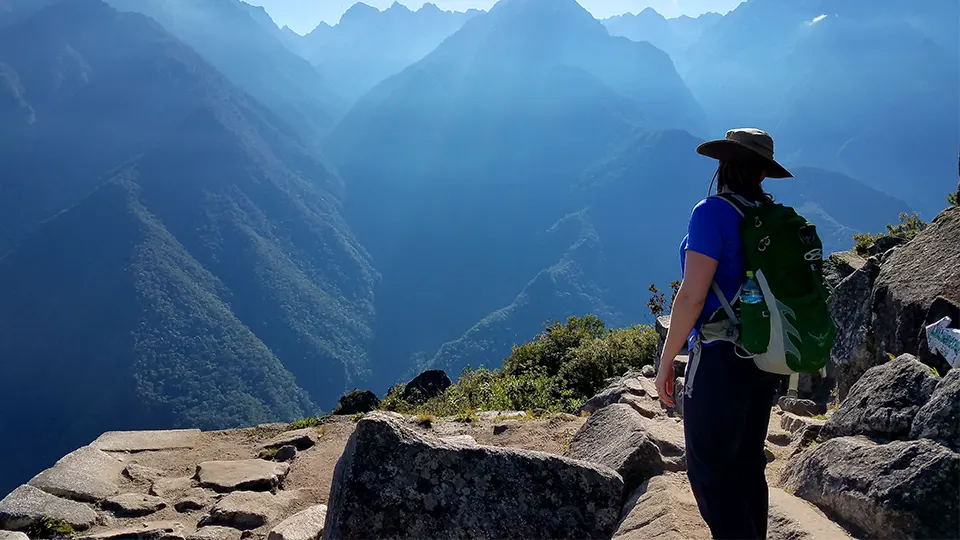
The main health concern associated with high elevations is altitude sickness, locally known as soroche in Peru. Altitude sickness occurs when the body has difficulty adjusting to lower oxygen availability at higher elevations. Altitude illness becomes a greater concern as travelers ascend, particularly when they sleep at elevations around 2,450 meters (8,000 feet) or higher without adequate acclimatization. However, some people may experience symptoms at lower elevations.
While it is possible to feel the effects of altitude at Machu Picchu, the risk is lower than in high-altitude locations like Cusco. Because Machu Picchu sits at a lower elevation than Cusco, atmospheric pressure is higher, making it easier for the body to obtain oxygen with each breath. However, individual responses to altitude vary. It is difficult to predict exactly how a person will respond to the change in altitude before arriving. Below are some symptoms of altitude sickness that may help you gauge your reaction once you reach your destination.
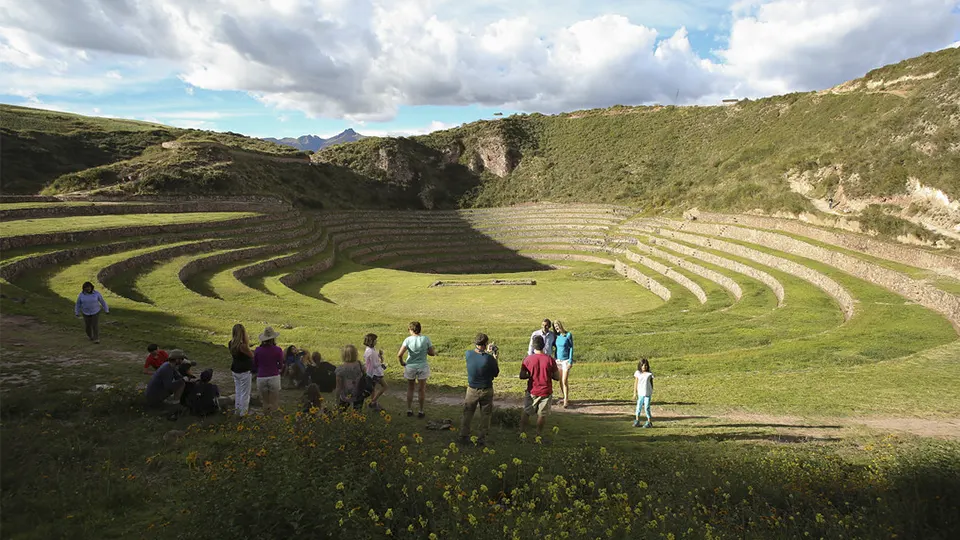
Although altitude affects everyone differently, a few practical steps can help you prepare for your visit to Machu Picchu. Choosing the right itinerary and allowing enough time to adjust to the altitude are important parts of your preparation. Below are some important considerations for travelers to keep in mind:
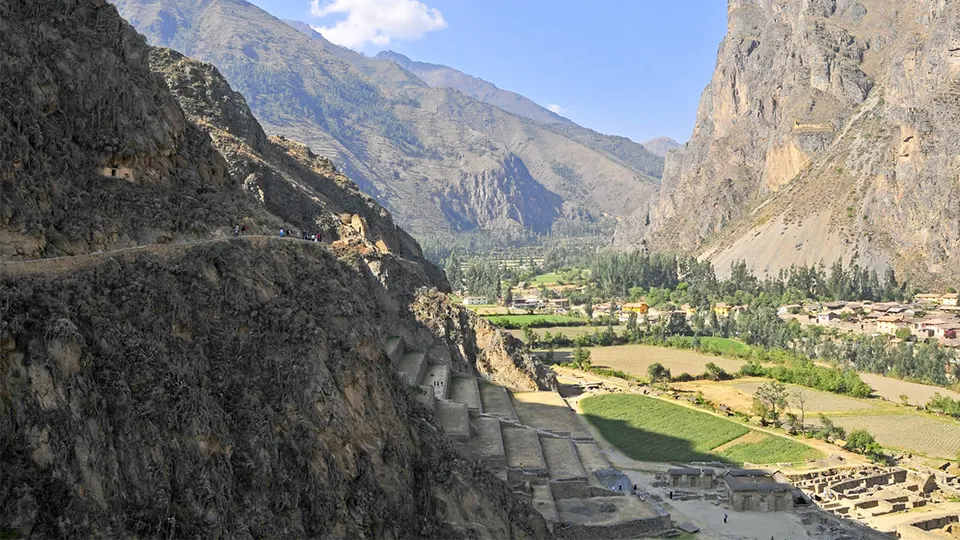
Starting your trip at a lower elevation can give your body more time to adjust before traveling to higher-altitude destinations. Many visitors planning to explore Machu Picchu choose to spend their first day in the Sacred Valley rather than in Cusco. Staying in the Sacred Valley first provides a gradual transition before heading to higher elevations, depending on where you stay.
Furthermore, this is a practical itinerary choice, as it offers the opportunity to explore other archaeological or cultural sites before reaching your primary destination. It also provides more efficient access to the UNESCO World Heritage site by shortening travel time and reducing the physical effort required. If you still choose to make Cusco your base for the start of your adventure, you will simply need to be a bit more cautious.
You might also consider spending your first day in Machu Picchu Town (Aguas Calientes), which is at a lower altitude. However, this requires more planning, as it involves additional connections and travel time. Regardless of where you begin, it is always best to carefully plan your activities, diet, and other essential aspects of your trip.
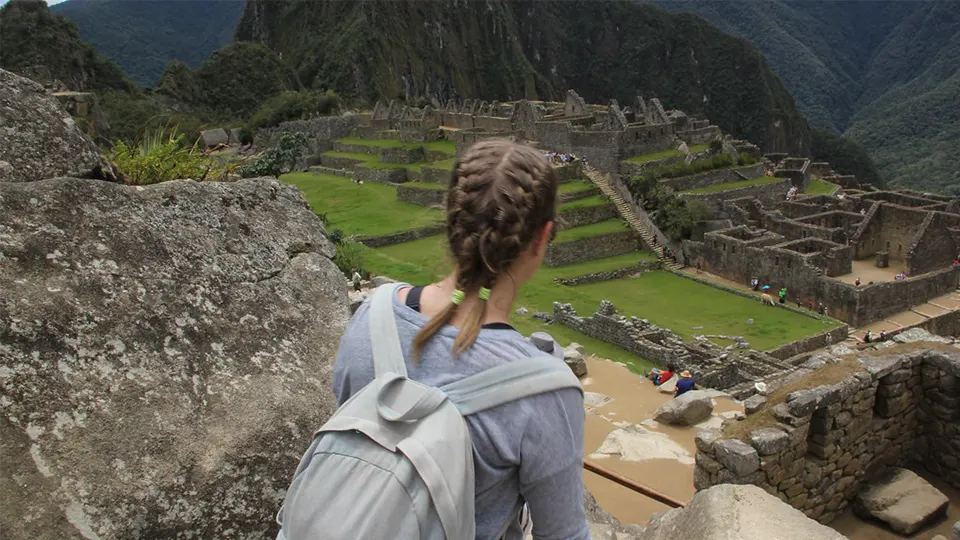
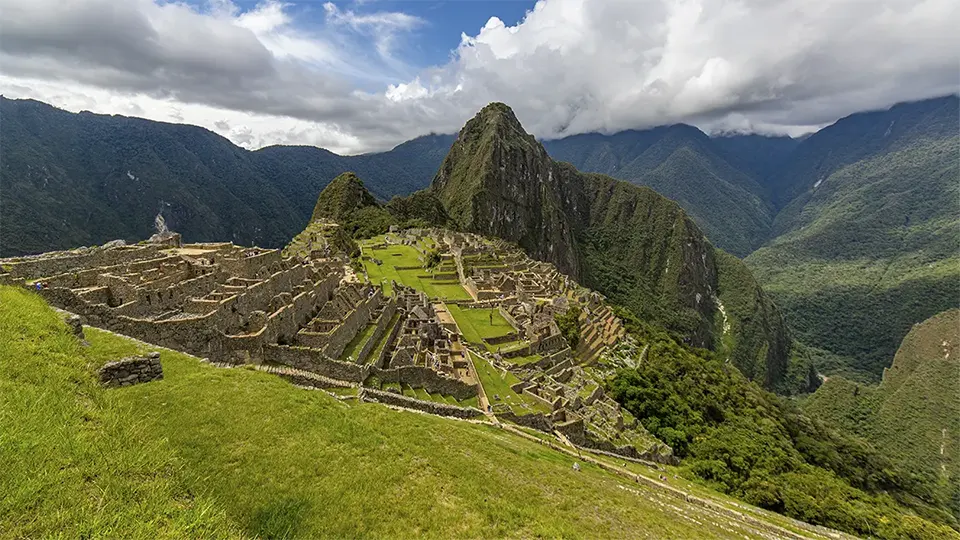
Yes. Although Machu Picchu sits at a lower elevation than Cusco, hiking in the area can still be physically demanding. The difficulty depends on the route, elevation changes, stairs, and your level of acclimatization. To provide a clear overview, here are the main hiking experiences available:
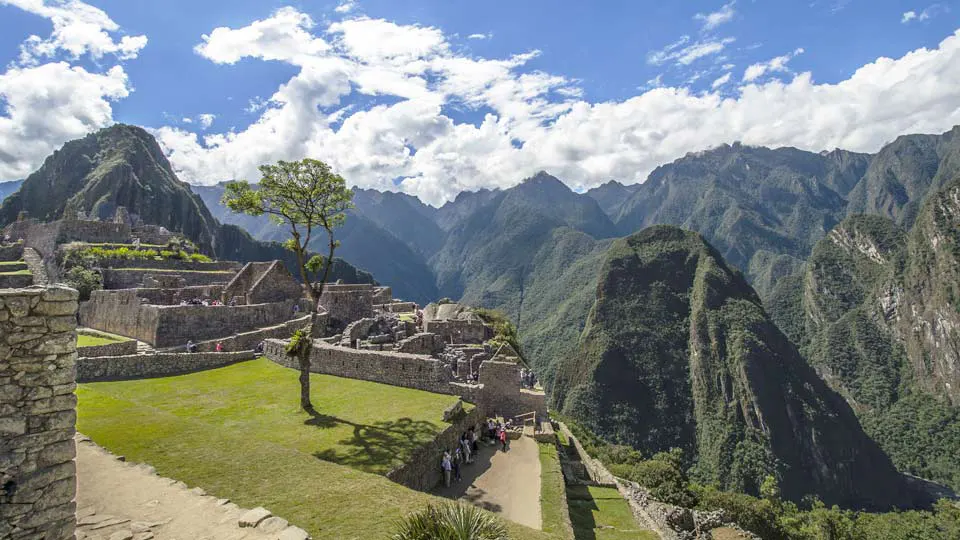
Machu Picchu is located approximately 7,972 feet (2,430 meters) above sea level. The elevation of Machu Picchu in feet is lower than Cusco, which sits at around 11,000 feet (3,350 meters). This means many visitors actually feel more comfortable at Machu Picchu than they do in Cusco.
Yes, acclimatizing before your visit is recommended, especially if you are traveling from a place close to sea level. Spending a few days at a higher altitude helps your body adjust to lower oxygen levels and reduces the risk of altitude sickness. Although Machu Picchu is lower than Cusco, taking time to adjust is still important.
Ideally, spend 2 to 3 days in Cusco before visiting Machu Picchu. This gives your body time to adjust to the altitude. During your first days, take it easy, avoid strenuous activities, drink enough water, and get plenty of rest. If you are particularly sensitive to altitude, consider spending a few extra days acclimatizing before your trip.
Most visitors do not experience serious breathing difficulties at Machu Picchu because its altitude is moderate compared to other destinations in the Andes. However, you may notice that you get tired more quickly when walking uphill or climbing stairs.
Mild shortness of breath can happen, particularly if you have not acclimatized properly. Taking breaks, walking slowly, and enjoying the panoramic view without rushing can make your visit more comfortable. If you experience difficulty breathing while resting, seek medical attention.
The highest hiking point depends on which mountain you choose to climb. Huayna Picchu reaches approximately 8,835 feet (2,693 meters) above sea level, while Machu Picchu Mountain reaches around 10,111 feet (3,082 meters). Both offer incredible views of the archaeological site, but Machu Picchu Mountain is the higher option. Remember to check ticket availability and choose a hike that matches your fitness level.
Yes, most healthy children and older adults can visit Machu Picchu safely with proper preparation. However, children can experience altitude sickness at Machu Picchu just like adults, and older travelers with heart, lung, or other medical conditions should consult their doctor before traveling.
Take enough breaks, avoid rushing, and choose easier walking routes when necessary. Knowing what to pack for Machu Picchu, including comfortable walking shoes, water, sun protection, and weather-appropriate clothing, can also make the experience more enjoyable.
Machu Picchu sits at approximately 2,430 meters (7,972 feet) above sea level, making it considerably lower than Cusco and several other destinations in the Peruvian Andes. However, understanding its elevation is an important part of planning your visit, especially if you are traveling from sea level or exploring other high-altitude locations along the way.
Although the risk of altitude sickness is generally lower at Machu Picchu than in Cusco, every traveler responds differently to changes in elevation. Allowing time to acclimatize, getting enough rest, and choosing activities that match your physical condition can help make your experience more comfortable. It is also worth considering the additional elevation and physical demands of hikes such as Huayna Picchu and Machu Picchu Mountain.
With the right preparation, you can focus on what makes this destination so remarkable: its extraordinary Inca architecture, mountain scenery, and fascinating history. Taking altitude into account when organizing your itinerary will help you enjoy each stage of the journey at a comfortable pace, from your arrival in the Andes to your exploration of the ancient citadel.
At Cusco Peru Travel, we create private journeys tailored to your interests, pace, and travel preferences. From carefully planned stays in the Sacred Valley and time to adjust to the altitude to a memorable visit to Machu Picchu, our travel specialists are ready to help you plan every detail. Contact us to start designing your journey through Peru and enjoy an experience shaped around you.