


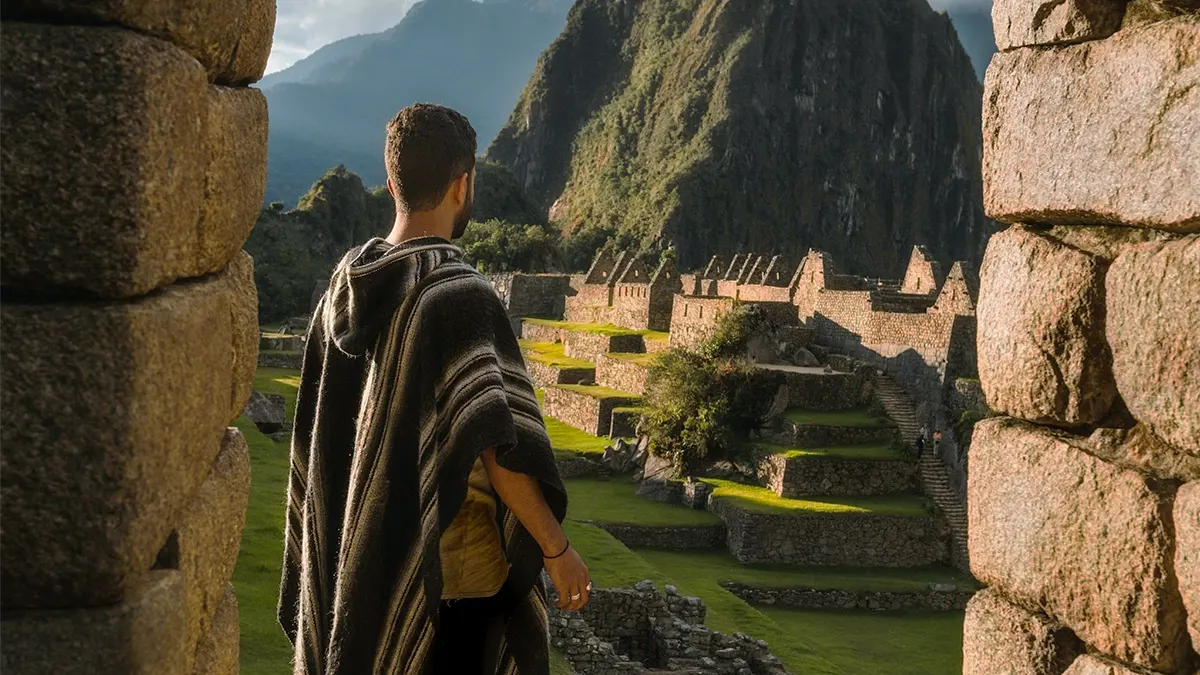
Machu Picchu is an Inca citadel renowned for its extraordinary architecture, stunning natural setting, and historical legacy. As one of the world’s most significant archaeological sites, Machu Picchu attracts visitors from around the globe. However, reaching the citadel requires combining different forms of transportation, as no road leads directly to the site. This guide explains the main routes and transportation options available.
Explore the main routes to Machu Picchu, compare transportation options, and learn how to plan your trip
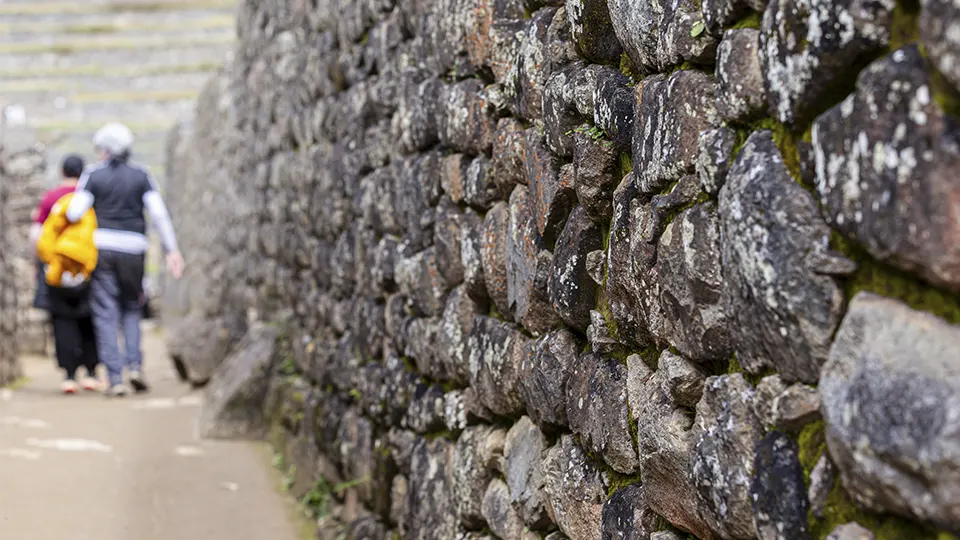
The most common way to reach Machu Picchu is through Cusco and Aguas Calientes (also known as Machu Picchu Pueblo). Since no road leads directly to the archaeological site, most visitors combine ground transportation, train travel, and a final bus ride or uphill walk. The journey generally involves three stages: traveling to Cusco, reaching Aguas Calientes, and continuing to the Machu Picchu entrance. This route accommodates travel from Lima to Machu Picchu or other points of origin.

For many travelers, Cusco is the main gateway to Machu Picchu. The city has the nearest commercial airport to the archaeological site and serves as a convenient starting point for exploring the Sacred Valley and other destinations in the region.
If you are traveling from Lima, flying to Cusco is generally the fastest and most convenient option. The flight takes approximately 1 hour and 20 minutes to 1 hour and 30 minutes. Long-distance buses are also available, although the journey takes considerably longer and may involve an overnight trip.
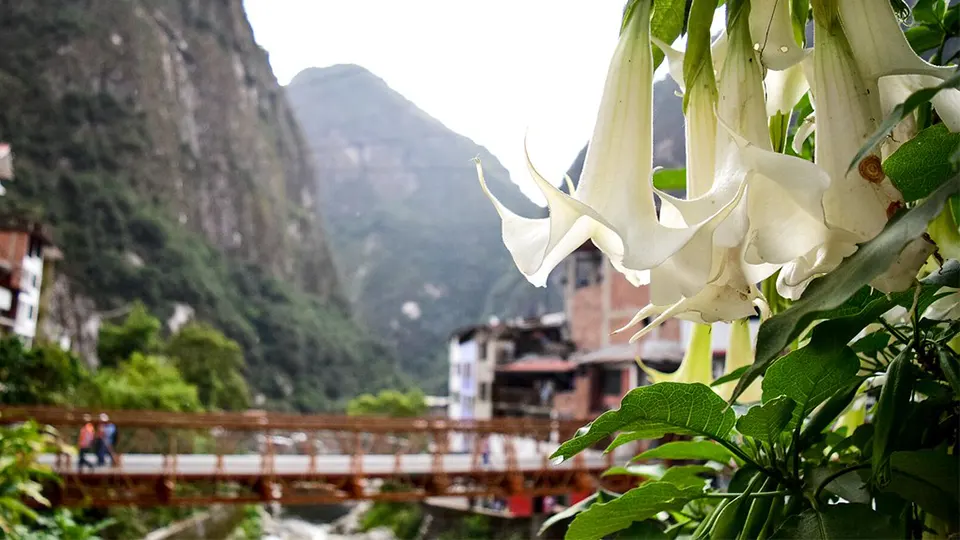
The next stage of the journey is reaching Aguas Calientes, also known as Machu Picchu Pueblo. This small town, located at the foot of the archaeological site, is the main access point for visitors arriving by train. Most travelers take a train from Cusco or the Sacred Valley, with several departure stations available depending on their itinerary and chosen service.
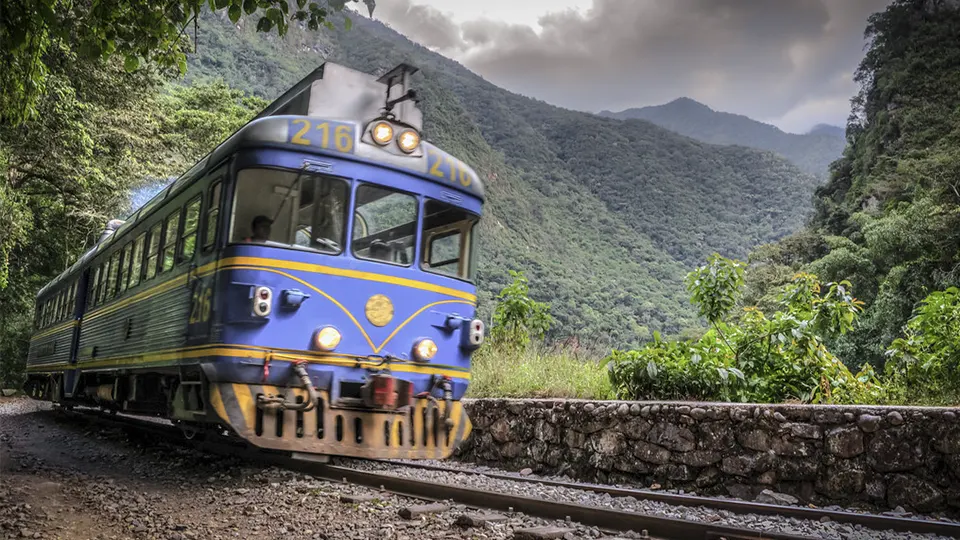
Depending on the season and service operator, travelers take the train from Cusco to Machu Picchu Pueblo or use a bimodal service that combines a bus transfer with a train journey. Departure stations and schedules vary throughout the year. The journey offers scenic views of the Andean landscape and the Urubamba River Valley, making transportation an enjoyable part of the experience.
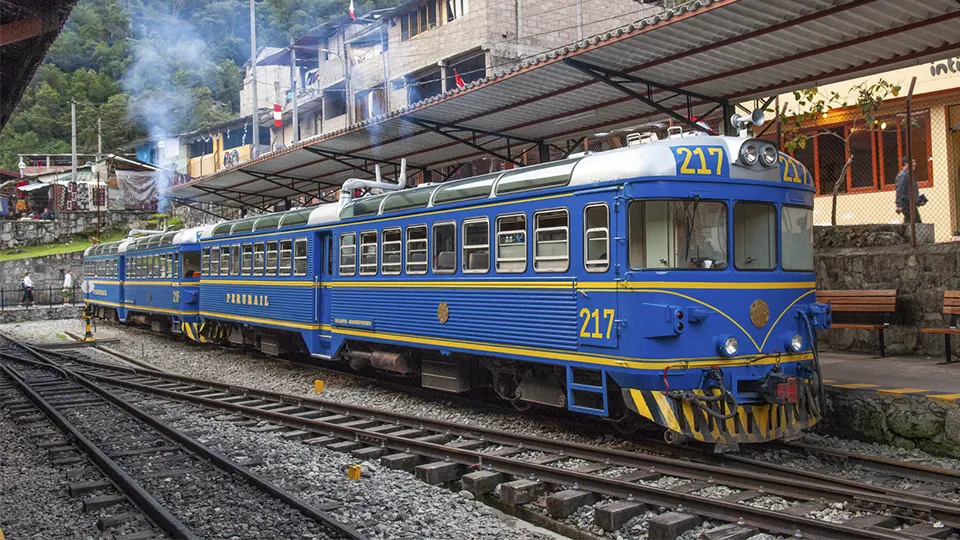
Another option is to arrange a private transfer from Cusco to a train station in the Sacred Valley, such as Ollantaytambo. This alternative allows travelers to combine a road journey with a train ride, offering greater flexibility when planning their departure. Check train schedules in advance and coordinate your transfer accordingly. Both Inca Rail and PeruRail offer various types of services, allowing you to choose the one that best suits your preferences and travel itinerary.
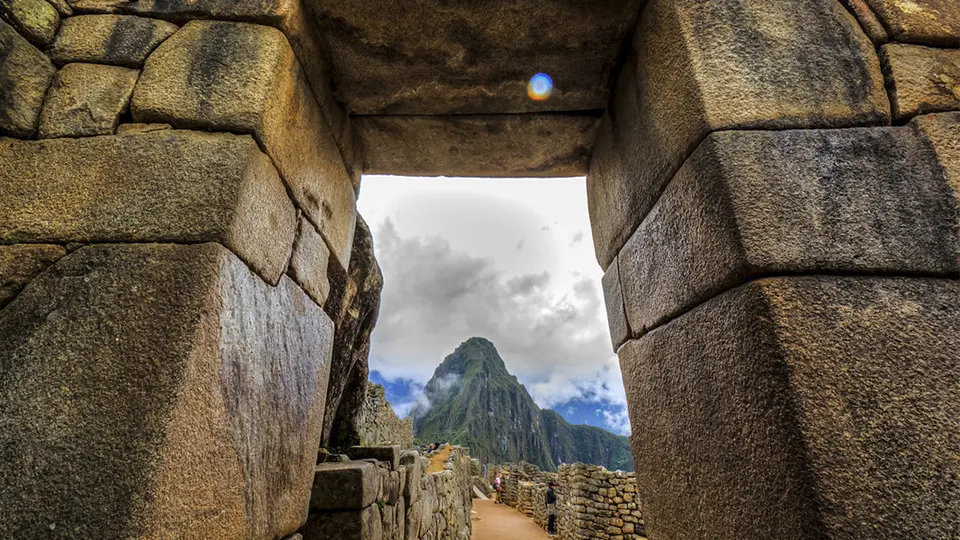
Once you arrive in Aguas Calientes, you will need to make your way to the Machu Picchu entrance. Depending on your schedule and physical condition, you can choose between taking a shuttle bus or hiking uphill. If you are visiting the site on the same day you arrive by train, allow enough time for transfers and the entry schedule indicated on your ticket. For this last leg of the journey, you have two options:
Allow enough time for each stage of the journey, especially if you are visiting Machu Picchu on a day trip from Cusco. Staying overnight in Aguas Calientes can make the experience more relaxed, giving you greater flexibility to reach the entrance before your scheduled entry time.
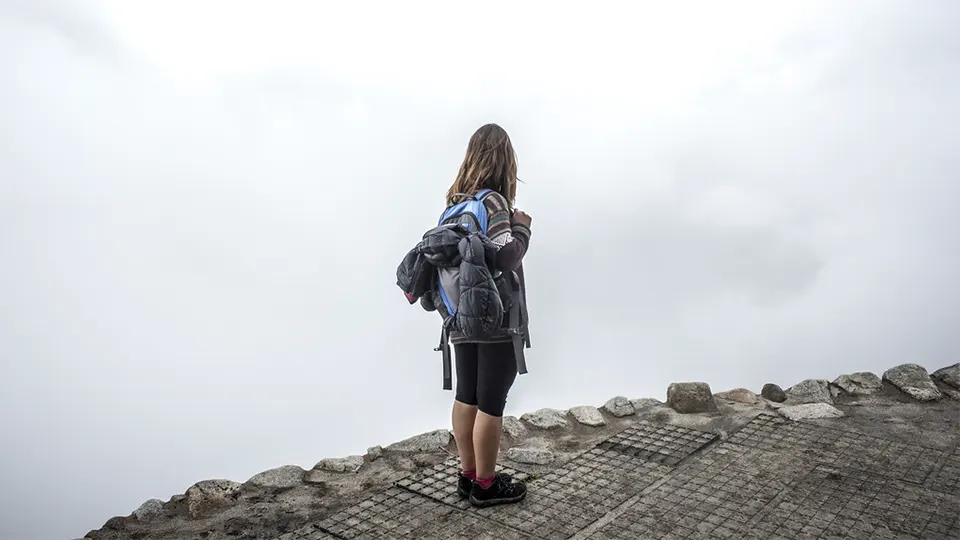
For travelers who enjoy outdoor adventures, trekking offers an alternative way to reach the Machu Picchu area. The Classic Inca Trail reaches Machu Picchu through the Sun Gate. Other routes, such as the Salkantay and Inca Jungle treks, require an additional journey to Aguas Calientes before reaching the archaeological site. The Lares Trek typically ends in the Sacred Valley, followed by onward transportation to Machu Picchu Pueblo.
These experiences combine Andean landscapes, ancient pathways, and opportunities to explore local communities. Below are the most popular options for trekking to Machu Picchu:
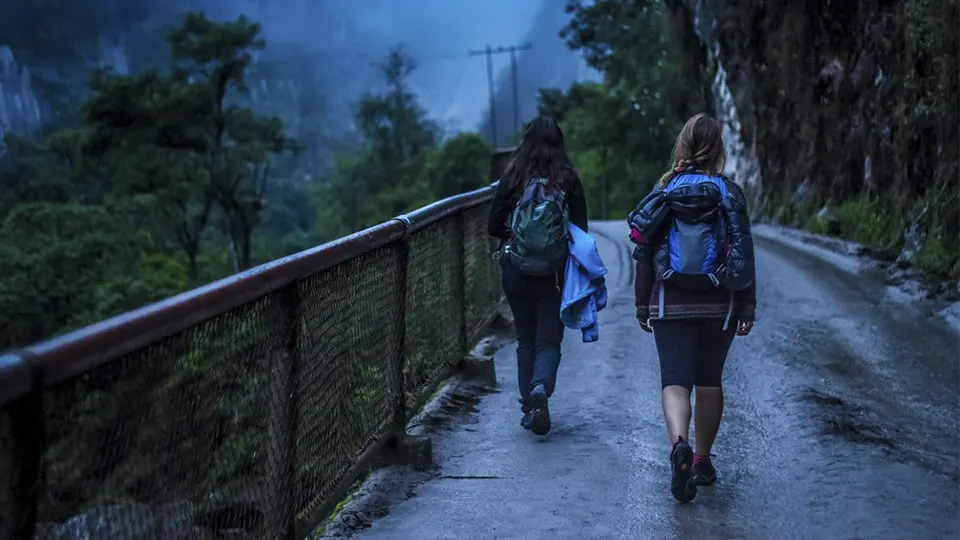
Travelers looking for a more affordable alternative can take the road route via Hidroeléctrica. This option involves traveling from Cusco through Santa María and Santa Teresa before reaching the hydroelectric station. From there, visitors can continue to Aguas Calientes by train, when available, or walk approximately 2.5 to 3 hours along the railway route. Once in town, they can reach the Machu Picchu entrance by shuttle bus or on foot.
Check road and trail conditions: The Hidroeléctrica route involves mountain roads and a walking section alongside an active railway line. Before departure, check local travel conditions, follow designated pedestrian paths, and move away from the railway whenever a train approaches. During the rainy season, landslides and other disruptions may affect access.
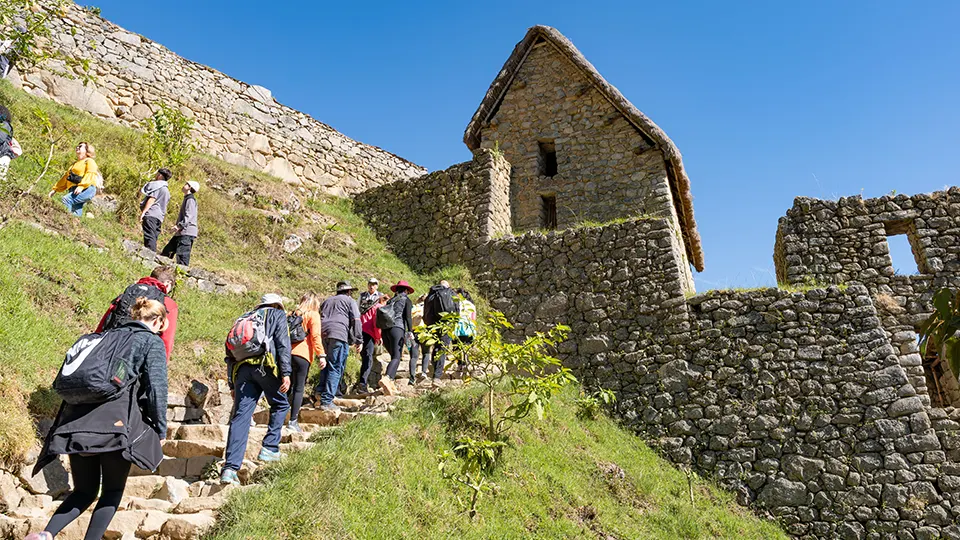
Choosing the best way to get to Machu Picchu depends on your budget, available time, physical fitness, and travel preferences. Each route offers a different balance of comfort, travel time, and physical effort. While the arrival method matters, you also need to coordinate it directly with the corresponding Machu Picchu tickets and circuits. The following comparison will help you identify the option that best suits your itinerary.
| Comparison | Option 1: Train Route | Option 2: Trekking Routes | Option 3: Hidroeléctrica Route |
| Route | Bus or car from Cusco to Ollantaytambo, train to Aguas Calientes, then shuttle bus or on foot to Machu Picchu. | Follow a multi-day trekking itinerary, such as the Classic Inca Trail, Salkantay, or Lares. Depending on the route, the journey may end at Machu Picchu or Aguas Calientes. | Bus or van from Cusco to Hidroeléctrica, followed by a walk along the designated path beside the railway to Aguas Calientes. |
| Physical effort | Low. | High. | Moderate. |
| Comfort level | High | Varies by itinerary and accommodation | Basic, with a long road transfer and a walking segment |
| Estimated cost | Medium to high. | Medium to high, depending on the trek and services included. | Low. Usually the most affordable option. |
| Main drawback | Higher transportation costs and limited train schedules. | Requires good physical fitness, more time, and careful preparation. | Long travel time and possible road or trail disruptions, especially during the rainy season. |
| Best suited for | First-time visitors, families, couples, and travelers with limited time. | Adventure lovers, nature enthusiasts, and hikers. | Budget travelers, backpackers, and people with flexible schedules. |
Note: All travel times are approximate and may vary depending on departure point, transportation schedules, weather, and road conditions. Trekking durations depend on the selected route and itinerary. The Short Inca Trail and Classic Inca Trail, for example, offer different experiences and travel times.
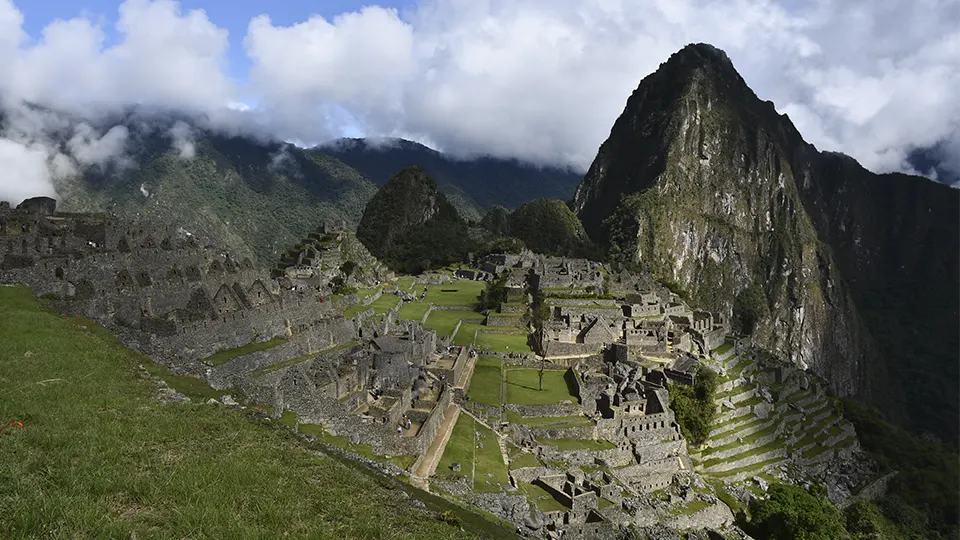
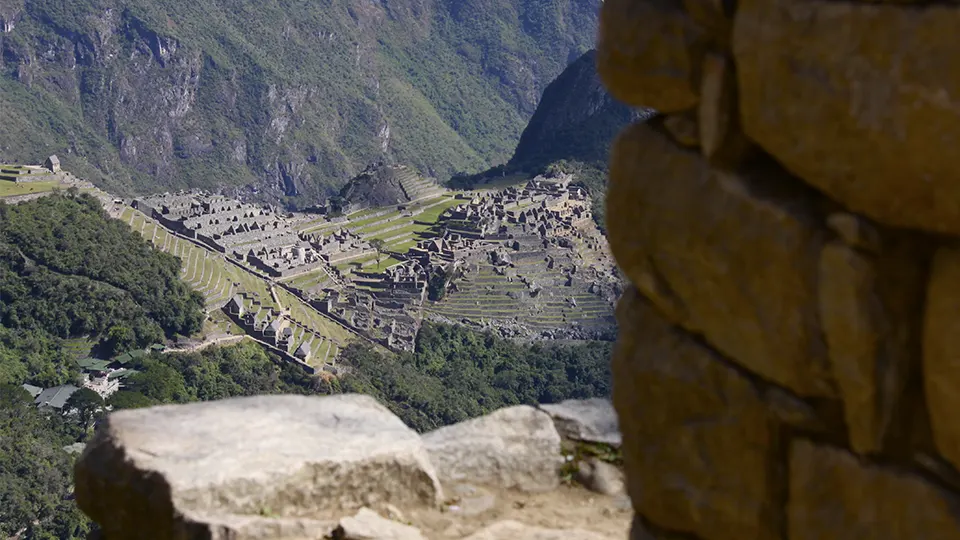
No, there are no roads leading directly to Machu Picchu or Aguas Calientes. However, you can drive from Cusco to Ollantaytambo and continue by train, or travel by road to Hidroeléctrica and walk along the railway route to Aguas Calientes. From there, you can reach the archaeological site by shuttle bus or on foot.
No, Machu Picchu and Aguas Calientes do not have their own airports. The nearest commercial airport is Alejandro Velasco Astete International Airport in Cusco. From there, travelers can continue by road to a train station and take a train to Aguas Calientes before heading to the archaeological site.
Yes, it is possible to visit Machu Picchu on a day trip from Cusco. However, this requires an early departure and careful coordination of road transfers, train schedules, shuttle buses, and your assigned entry time. The journey can make for a long day, so spending a night in Aguas Calientes is a more relaxed alternative.
The train journey to Machu Picchu depends on your departure station and the service you choose. From Ollantaytambo, the ride generally takes around 1.5 hours. Departures from Poroy and San Pedro take longer. Check the latest schedules with PeruRail or Inca Rail before booking, as routes and departure arrangements may vary. Travelers looking for a premium experience can also compare the Hiram Bingham vs. Inca Rail First Class services.
The Hidroeléctrica route is generally the most affordable way to reach Machu Picchu, as it allows travelers to avoid the cost of a full train journey from Cusco or the Sacred Valley. However, it involves a long road transfer followed by a walk of approximately 2.5 to 3 hours to Aguas Calientes.
Both options provide access from Aguas Calientes to the Machu Picchu entrance, but they offer very different experiences. The shuttle bus takes approximately 25–30 minutes and is the most comfortable choice, especially if you want to save energy for exploring the archaeological site. Hiking takes around 1.5 to 2 hours uphill and involves steep stone steps, making it more physically demanding. Choose the bus for convenience or hike if you enjoy outdoor activities and want a more active experience.
Luggage allowances vary depending on the train operator and service. For most PeruRail services to Machu Picchu, passengers can generally bring one backpack weighing up to 8 kg (17.6 lbs) or one carry-on bag weighing up to 12 kg (26.5 lbs), subject to the applicable size restrictions. Always confirm the current baggage policy of your train operator before departure.
Reaching Machu Picchu involves more than simply choosing a means of transportation. From scenic train journeys through the Sacred Valley to multi-day treks across the Andes, each route offers a different way to experience the region. The right choice depends on your available time, budget, physical fitness, and preferred travel style.
Before departure, secure your Machu Picchu entry ticket, coordinate your transportation, and review the latest travel conditions. Planning these details in advance will help you make the most of your visit and enjoy a more organized journey through one of Peru’s most remarkable archaeological sites.
Ready to explore Machu Picchu? At Cusco Peru Travel, we design personalized journeys that bring together carefully arranged transportation, train services, expert local guides, and trekking experiences. Whether you prefer a comfortable train journey or a multi-day adventure through the Andes, our team can help you plan an itinerary that matches your interests and schedule. Contact us today and start planning your visit to Machu Picchu.
